

A child settles onto the couch with a tablet, and within minutes, their thumb drifts into their mouth without anyone noticing. Children may be more likely to thumb suck, twirl their hair, or rock when they are sitting still and absorbed in a screen. Parents may naturally wonder if screen time increases self-soothing behaviors in kids when these habits repeatedly appear during device use. Understanding what may reinforce these habits can make it easier to recognize patterns and respond calmly.
Why Children Use Self-Soothing Behaviors
Self-soothing behaviors are actions children use to feel calm or secure. They may appear when a child is tired, bored, stressed, or overwhelmed. Some of these habits begin in infancy and become linked to certain routines or emotions.
Many self-soothing habits are a normal part of childhood and fade over time. Parents should pay attention to how often the behavior happens and how hard it is to stop. Parents can look at the behavior’s frequency, duration, and effect on the child. Extra support may be needed if the habit becomes difficult to stop or begins causing harm.
Thumb and Finger Sucking
Thumb and finger sucking begin as natural sucking behaviors during infancy and can provide a calming sensation. Some children continue the habit during quiet moments, while falling asleep, or when they feel uncertain. The behavior may become increasingly automatic because the child associates it with comfort. Older children who continue thumb sucking may do it privately, at bedtime, while watching television, or when upset.
How Screens May Reinforce Habits

Current research does not establish that screens directly cause thumb sucking or other repetitive self-comforting habits. However, screen use can create long periods of inactivity and focused attention during which an existing habit may continue unnoticed. Media can also crowd out movement, conversation, sleep, and hands-on activities that support developing regulation skills.
Several conditions may reinforce an existing habit during device use:
- Passive viewing: The child’s body and hands remain relatively inactive.
- Reduced awareness: Focused attention makes automatic behavior less noticeable.
- Long viewing periods: More time with a screen creates more time for repetition.
- Fatigue: Tired children may rely more heavily on familiar comfort habits.
- Overstimulation: Fast-paced or intense content may leave some children unsettled.
- Disrupted routines: Screens may replace calming activities, movement, or sleep.
Identifying the Child’s Emotional Triggers
A screen can temporarily distract a child from frustration, loneliness, boredom, or anxiety. Distraction may calm the immediate reaction without allowing the child to identify what they are feeling. When the screen is removed, the original emotion may return, sometimes along with a strong request for more device time.
Parents can learn more by observing what happened immediately before the habit began. Consider whether the child was tired, hungry, worried, transitioning between activities, or struggling with a difficult task. Recording these details for several days may reveal patterns that are easy to miss during a busy routine. Once parents identify a consistent pattern, they can adjust the situations that tend to trigger the habit.
Warning Signs Parents Should Watch
A self-soothing behavior may require closer attention when it affects a child’s health, confidence, development, or participation in normal activities. Parents should consider the complete pattern rather than reacting to one episode. Age, frequency, physical effects, and the child’s ability to stop all provide useful context.
Habits Continue Beyond Expected Ages
Many self-comforting habits gradually fade as children develop other ways to manage emotions. A habit that continues well beyond the age when peers have generally stopped may be more deeply established. The American Academy of Pediatrics indicates that thumb sucking often disappears as self-control develops, commonly during the early school years. Parents can discuss persistent sucking with a pediatrician or dentist to determine whether intervention is appropriate for the individual child.
Behavior Disrupts Daily Activities
A self-soothing habit may be concerning when it interferes with a child’s routines, communication, sleep, or social comfort. Ongoing conflict about the behavior can also make it more emotionally difficult for both the child and caregiver.
Signs that the habit is disrupting daily life may include:
- difficulty speaking clearly
- avoiding play or group activities
- trouble completing schoolwork
- interrupted or poor-quality sleep
- embarrassment around peers
- frequent arguments with caregivers
Physical or Dental Changes Appear
Persistent thumb or finger sucking can sometimes affect the skin, nails, mouth, or developing teeth. Parents may notice redness, cracking, calluses, soreness, changes in the child’s bite, or difficulty closing the lips comfortably. Any visible physical change warrants guidance from an appropriate medical or dental professional.
Building Healthier Coping Skills
Children need simple, repeatable ways to calm themselves without relying on a screen or repetitive habit. Clear routines and practical alternatives can make these changes easier to manage.
Practice Simple Calming Activities
Offer activities that give the child something else to do when they feel tired, bored, or upset. Deep breathing, drawing, stretching, outdoor play, or holding a soft object can provide a different source of comfort. Keep the options simple so the child can remember them in the moment. Over time, these activities can become part of the child’s regular routine.
Make Screen Transitions Predictable
Give the child a warning before screen time ends instead of stopping it suddenly. A timer can make the limit feel clear and consistent. Plan the next activity in advance so the child does not move from the screen into an unstructured period. This can reduce frustration and make comfort-seeking habits less likely during transitions.

Use a Thumb Guard Consistently
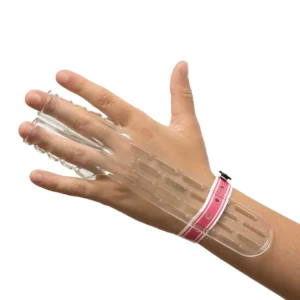
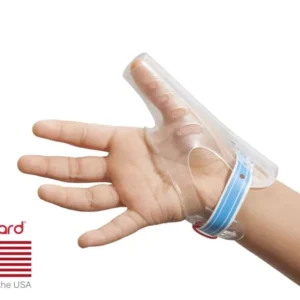
A thumb guard is one of the most practical ways to stop thumb sucking because it reduces the suction that makes the habit soothing. Place the thumb guard over the child’s thumb and fasten it as directed so it stays secure without feeling too tight. Have the child wear it consistently during common trigger times instead of putting it on only after thumb sucking begins.
Whether screen time can increase self-soothing behaviors in kids depends on the child’s triggers, routines, and ability to manage strong feelings. Device use may not cause habits such as thumb sucking, but it can make them easier to repeat. Using a thumb guard alongside calming activities can address both the physical habit and the feelings that may trigger it.
Products
-
 TGuard AeroFinger
Original price was: $69.80.$49.80Current price is: $49.80.
TGuard AeroFinger
Original price was: $69.80.$49.80Current price is: $49.80.
Save 29% -
 TGuard AeroThumb
Original price was: $69.80.$49.80Current price is: $49.80.
TGuard AeroThumb
Original price was: $69.80.$49.80Current price is: $49.80.
Save 29%