

As children grow, their teeth and jaws change constantly, and some developmental differences emerge. A narrow palate is a smaller-than-expected upper dental arch that may leave less room for developing teeth. This matters because a narrower upper arch can contribute to crowding, bite changes, and limited space for permanent teeth. A dental professional can evaluate the roof of a child’s mouth to determine whether follow-ups or treatment are needed.
What Is a Narrow Palate?
A narrow palate means the upper jaw, or maxilla, is narrower than expected compared with the lower jaw and the rest of the mouth. The palate forms the roof of the mouth, while the upper jaw provides space for the upper teeth to develop and erupt. When that space is limited, changes in tooth position or bite alignment can become more noticeable as a child grows.
Several features may lead a dentist or orthodontist to take a closer look at palate width, including:
- crowded or overlapping upper teeth
- a high or narrow roof of the mouth
- upper teeth that sit inside lower teeth
- limited space for permanent teeth
- an uneven or shifted bite
Common Causes of a Narrow Palate
A narrow palate can develop for several reasons, and there isn’t always a single clear cause. Genetics and natural growth patterns can influence the size and shape of a child’s upper jaw. Tooth development and certain oral habits may also affect how the dental arch forms.
Because the upper jaw continues to develop throughout childhood, repeated pressure may shape it. Thumb sucking is a normal self-soothing behavior for many infants and young children, but prolonged sucking can affect the developing bite in some children. Parents concerned about the possible side effects of sucking thumbs can mention this persistent habit to their child’s dentist. A sucking habit doesn’t guarantee that a narrow palate or bite problem will develop, but it can be one factor a dentist considers.
Narrow Palates Can Affect Tooth Alignment

The width of the upper jaw influences how much room developing teeth have as they begin to erupt. If space is limited, permanent teeth may come in at an angle, overlap nearby teeth, or appear crowded. These changes can become especially noticeable during the mixed-dentition years, when children have both baby teeth and permanent teeth.
Palate width isn’t the only reason crowding develops. Dentists also consider tooth size and other factors to determine whether a child’s alignment is part of normal development or something that may need closer monitoring.
Palate Width Can Affect Jaw Development
A child’s upper and lower jaws need enough space to develop in a balanced way. When the upper arch is too narrow, it can change how the lower jaw fits beneath it when the teeth come together. This may contribute to bite problems that become more noticeable as the child grows.
A narrow upper arch can also affect the position the lower jaw takes during biting and chewing. In some cases, the jaw may shift slightly to one side to find a more comfortable fit. Over time, that imbalance can influence how the bite develops.
Potential Effects on Breathing
A narrow palate can reduce the width of the upper jaw, which also forms part of the floor of the nasal cavity. When that space is limited, nasal airflow may be affected, and some children may rely more on mouth breathing. Frequent mouth breathing can contribute to dry mouth and may affect sleep quality and the child’s comfort during the day.
Persistent mouth breathing, snoring, or difficulty breathing through the nose can have several possible causes, such as nasal obstruction. If breathing symptoms continue, a dentist may recommend evaluation by a specialist depending on the concern.
Dental Evaluation Determines Next Steps

A dental examination can show whether a child truly has a narrow upper arch and whether it is affecting tooth eruption or bite development. The provider will look at how the upper and lower teeth fit together and consider the child’s age, growth, oral habits, and dental history.
The evaluation usually starts with a clinical examination. Depending on the child’s needs, the provider may also use photographs, dental models or scans, or X-rays to get a clearer picture. Parents can also share details about oral habits or bite changes they’ve noticed at home.
Treatment Depends on Age and Severity
Treatment for a narrow palate depends on how much the upper arch is narrowed and where the child is in their dental development. In some cases, monitoring may be appropriate, while others may benefit from orthodontic treatment.
Palatal Expansion
Palatal expansion may be used to gradually widen the upper jaw in some growing children. This can create more room across the dental arch and improve the way the upper and lower teeth fit together. Expansion is often considered when a narrow upper arch is contributing to a crossbite or other width-related bite problem. The specific appliance and treatment plan will depend on the child’s age and dental needs.
Timing Can Influence Treatment
Growth can affect which treatment options are available and when they work best. Because the upper jaw is still developing during childhood, certain orthodontic changes may be easier to make before growth is complete. That does not mean every narrow palate needs early treatment, but timing can shape the available options.
Treatment Goals Vary
Treatment goals aren’t simply to widen the palate. Orthodontic care may also focus on improving the bite, creating space for permanent teeth, and supporting better alignment as the mouth develops. Some children may need only one type of treatment, while others may require additional orthodontic care later.
A narrow palate is a condition in which the upper jaw is narrower than expected for the developing mouth. This matters because a narrower arch can affect how teeth erupt and how the bite comes together. Routine dental visits make it easier to spot changes early and follow them closely. A dental professional can then guide parents toward the most appropriate next steps for their child. If your child needs to stop thumb sucking, find tools here at MED et al, Inc. that can make the transition easier.
Products
-
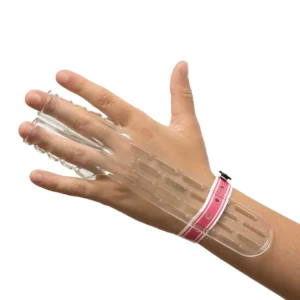 TGuard AeroFinger
Original price was: $69.80.$49.80Current price is: $49.80.
TGuard AeroFinger
Original price was: $69.80.$49.80Current price is: $49.80.
Save 29% -
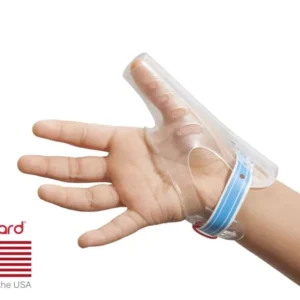 TGuard AeroThumb
Original price was: $69.80.$49.80Current price is: $49.80.
TGuard AeroThumb
Original price was: $69.80.$49.80Current price is: $49.80.
Save 29%