

Parents often feel a wave of concern when they notice their child regress back or cling to habits they expected them to outgrow. One of the most common challenges is oral sensory seeking behaviors such as chewing on or putting objects in their mouth. In this article we’ll explain what oral sensory seeking is, why it occurs, how it leads to thumb and finger sucking, and gentle, effective ways parents can stop their child’s behavior patterns.
What is Oral Sensory Seeking?
For infants, the mouth is a primary tool for exploring the world around them. By placing non-food objects in their mouth, newborns learn about their size, weight, and texture.
While this phase is a natural developmental milestone, it typically begins to fade around age two. If a child continues to compulsively seek out oral stimulation by putting toys, clothing, or fingers in their mouth past this age, they are likely engaging in oral sensory seeking behavior.
According to Harkla, common forms of this behavior include:
- Chewing on non-food objects
- Putting non-food objects in their mouth
- Chewing or sucking on hands, feet, or hair
- Chewing on clothing items such as shirt collars or sleeves
- Bitting pencils or erasers
- Constantly craving gums, straws, crunchy snacks, and other sensory-rich foods
When Does Oral Sensory Seeking Become a Problem
While mouthing objects is a normal part of childhood development, there is a point where these behaviors shift from a learning tool to a persistent habit that may require intervention.
According to Griffin Occupational Therapy, children who persist in their oral sensory seeking behaviors beyond the age of two may have other co-occurring conditions such as:
- Developmental Milestones: Oral sensory seeking behaviors can be a sign of Autism Spectrum Disorder (ASD), developmental or speech delays, and learning disabilities.
- Sensory Regulation: Persistent oral sensory seeking behaviors can signal that a child is navigating high levels of stress or experiencing sensory overload and is using the behavior to self-regulate, such as chronic stress or sensory overload.
- Physical Discomfort: In some cases, these behaviors are a response to physical triggers, such as dental issues or localized pain, where the child seeks oral input to mask the discomfort.
By flagging the early signs of habitual and persistent oral sensory seeking, parents can support their child in moving past these behaviors while treating the underlying conditions that can lead to them.
How Does Oral Sensory Seeking Lead to Thumb Sucking?
It is common for parents to view oral sensory seeking and thumb sucking as distinct issues, but they are often deeply interconnected. For many children, thumb sucking is an accessible way to satisfy an “oral craving.”
The Path from Seeking to Sucking
- The Search for Input: A sensory-seeking child’s brain is looking for tactile feedback. When clothing, toys, or food is not available, the child may gravitate towards their finger or thumb for oral input.
- The Feedback Loop: Thumb sucking provides a specific texture and physical sensation that children with oral sensory seeking patterns find soothing, leading them to persist in this habit.
The Self-Reinforcing Cycle: The more a child sucks their thumb to satisfy their sensory needs, the more the brain begins to rely on that action to stay “regulated”. This leads the behavior to become habitual.
How to Treat Oral Sensory Seeking Behaviors
When children persist in oral sensory-seeking behaviors past the age of two, parents should begin to seek out treatments to gently stop these habits. The pediatric specialists at South Shore Health recommend seeking the guidance of a pediatrician to diagnose other medical issues underlying the oral sensory behavior or refer you to an occupational therapist.
Treating Thumb and Finger Sucking as a Result
Oral sensory seeking often overlaps with thumb or finger sucking, creating a cycle that is best treated in two stages. By addressing the sucking habit first, you clear the path to manage broader sensory behaviors more effectively.
- Address the Subconscious First: Thumb sucking is often a subconscious reflex that occurs during sleep, making it difficult to control through reminders alone. Using a tool like TGuard’s AeroThumb is an excellent first step because it physically breaks the suction reflex, neutralizing the habit’s “reward.”
- Focus on Conscious Awareness: Once the nighttime sucking habit is managed, you can focus on daytime oral seeking. Because chewing on objects is typically a conscious behavior, it is easier to treat through gentle reminders and building your child’s awareness.
- Redirect and Cease: In the absence of a clinical diagnosis, the best approach is to build awareness. Gently remind your child when they are mouthing non-food objects and redirect them to safer alternatives.
Oral Sensory Seeking and Thumb Sucking FAQs
What are the signs my child is engaging in oral sensory-seeking behaviors?
After the age of two, signs of oral sensory seeking often include a compulsive need for oral input. Look for behaviors such as chewing on shirt collars or sleeves, gnawing on pencils and toys, frequent nail-biting, and thumb or finger sucking. Children with oral sensory seeking tendencies may also seek out foods with crunchy or chewy textures to satisfy their oral fixation.
Is oral sensory seeking the same as a thumb-sucking habit?
Not exactly, although these behaviors often overlap. Thumb sucking is driven by a suction reflex for comfort, while oral sensory seeking is a broader neurological need for tactile input in the mouth. Because thumb sucking provides sensory feedback, a child with oral sensory seeking behaviors may use it as a way to self-regulate, further ingraining the habit.
How do I know if I should see an Occupational Therapist (OT) for my child’s oral sensory seeking behavior?
If your child’s oral sensory seeking behavior is destructive, interfering with their ability to focus at school, or causing distress when they aren’t mouthing something, an OT evaluation is highly recommended. An OT can create a structured plan to treat oral sensory seeking.
Sources:
“Oral Sensory Seeking – Why is my Child Still Putting Things in Their Mouth?” from Griffin Occupational Therapy
“More, More, Too Much: Understanding Sensory Seeking” from South Shore Health
“Oral Sensory Seeking in Kids: What You Need to Know & How to Help” from Harkla
Products
-
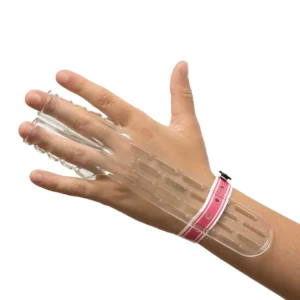 TGuard AeroFinger
Original price was: $69.80.$49.80Current price is: $49.80.
TGuard AeroFinger
Original price was: $69.80.$49.80Current price is: $49.80.
Save 29% -
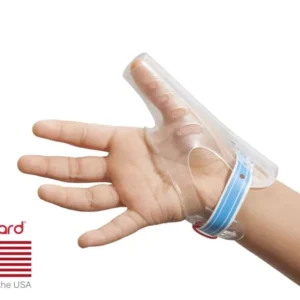 TGuard AeroThumb
Original price was: $69.80.$49.80Current price is: $49.80.
TGuard AeroThumb
Original price was: $69.80.$49.80Current price is: $49.80.
Save 29%

