

Many parents view thumb sucking as a natural, even “cute” developmental milestone during infancy. However, when the behavior persists into the preschool years and begins interfering with speech, play, and communication, concern is justified.
Beyond the well-documented risks of dental deformation, skin irritation, and blisters, persistent thumb sucking habits may signal something deeper than just self-soothing is at play.
While not clinically defined as an addiction, chronic thumb sucking shares the core attributes of a neurological reward cycle. To effectively help your child move forward, we must look at how this behavior affects the brain and why “willpower” alone is rarely enough to break the cycle.
Why Your Child Craves Thumb Sucking
Thumb Sucking is Self-Soothing
Many habits and addictions start as behaviors the addict perceives as beneficial. According to Psychology Today, the comfort a baby gets from thumb sucking can help normalize breathing and heart rate and even spur better digestion. Additionally, children often suck their thumbs for emotional comfort and to alleviate boredom.
The Science Behind Thumb Sucking Habits
The calming sensation children derive from thumb and finger sucking has its basis in neurology. Thumb sucking slows neurotransmission, leading to a calm feeling of euphoria which is reinforced with the release of serotonin, endorphins, and dopamine.
These neurotransmitters attach to the brain’s pleasure centers, which house the same receptors responsible for feelings of safety and comfort. When a child repeats the behavior, they are seeking out the same chemical reward. In this way, habitual thumb sucking becomes a self-reinforcing feedback loop, making it and to stop through willpower alone.
Thumb Sucking Is Hard To Quit, but Treatable
In many ways, thumb sucking mimics the pleasure and reward cycle of other dependencies. The pleasurable, soothing feeling it produces is a powerful motivation to keep indulging even if the child wants to stop.
When to Take Action
While thumb sucking hasn’t been formally designated as an “addiction,” its effects on dental health and speech development are very real. If your child hasn’t quit on their own by age three to four, it is time to intervene.
- Consult Professionals: Speak with your pediatrician and pediatric dentist to assess dental alignment issues and develop an effective treatment plan.
- Shift the Focus: Focus on gentle encouragement such as behavioral charts with rewards and positive language.
- Provide Tools: Implement a clinically proven solution like TGuard’s AeroThumb to help your child break their habit.
Gentle, Effective Thumb Sucking Solutions
The T-Guard AeroThumb effectively ends the thumb-sucking habit by physically interrupting the sensation of suction—the very trigger that creates the pleasurable neurological reward a child craves.
Crafted from soft, medical-grade plastic, the device features a unique vented design that allows air to flow freely, preventing the “vacuum” effect required for comfort. Its secure, tamper-resistant closures ensure the device stays in place, providing a gentle yet consistent barrier. When the habit no longer produces the desired chemical “reward,” the child naturally loses interest, allowing them to develop healthier ways to self-soothe and overcome feelings of anxiety or boredom.
Breaking the Thumb Sucking Habit Cycle FAQ
Why won’t my child stop thumb sucking?
When a child habitually sucks their thumb the habit triggers an automatic neurological response. The act releases dopamine and serotonin, which the child’s brain views as a vital tool for safety and emotional regulation.
Is thumb sucking really an addiction?
While not a chemical addiction in the way that substances are, thumb sucking is a behavioral habit that follows the same neural pathways. The brain’s reward center becomes conditioned to expect the soothing sensation, leading children to subconsciously suck their thumb when they’re tired, bored, or stressed.
How do I stop my child’s thumb sucking “addiction”?
To stop your child’s thumb sucking habit, you have to combine positive reinforcement with techniques and solutions that address the underlying physical, neurological, and emotional drivers.
- Interrupt the Physical Reward: A clinical tool like the T-Guard AeroThumb is the most effective way to interrupt the sensation of suction that drives the reward cycle.
- Identify the “Triggers”: Observation is key. Does your child reach for their thumb when they are bored, tired, or watching a specific show? Once you identify the triggers, you can proactively guide them away from these patterns.
- Use Positive Reinforcement: Create a behavior chart where they earn a sticker for every morning or afternoon they keep their TGuard on and their thumb out. Small, frequent rewards help build a new “dopamine loop” associated with success.
Products
-
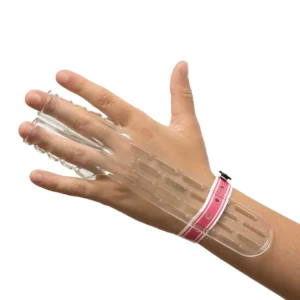 TGuard AeroFinger
Original price was: $69.80.$49.80Current price is: $49.80.
TGuard AeroFinger
Original price was: $69.80.$49.80Current price is: $49.80.
Save 29% -
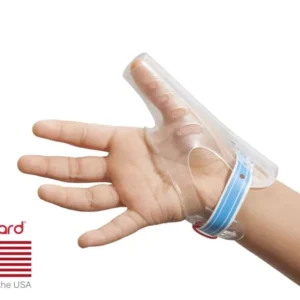 TGuard AeroThumb
Original price was: $69.80.$49.80Current price is: $49.80.
TGuard AeroThumb
Original price was: $69.80.$49.80Current price is: $49.80.
Save 29%