

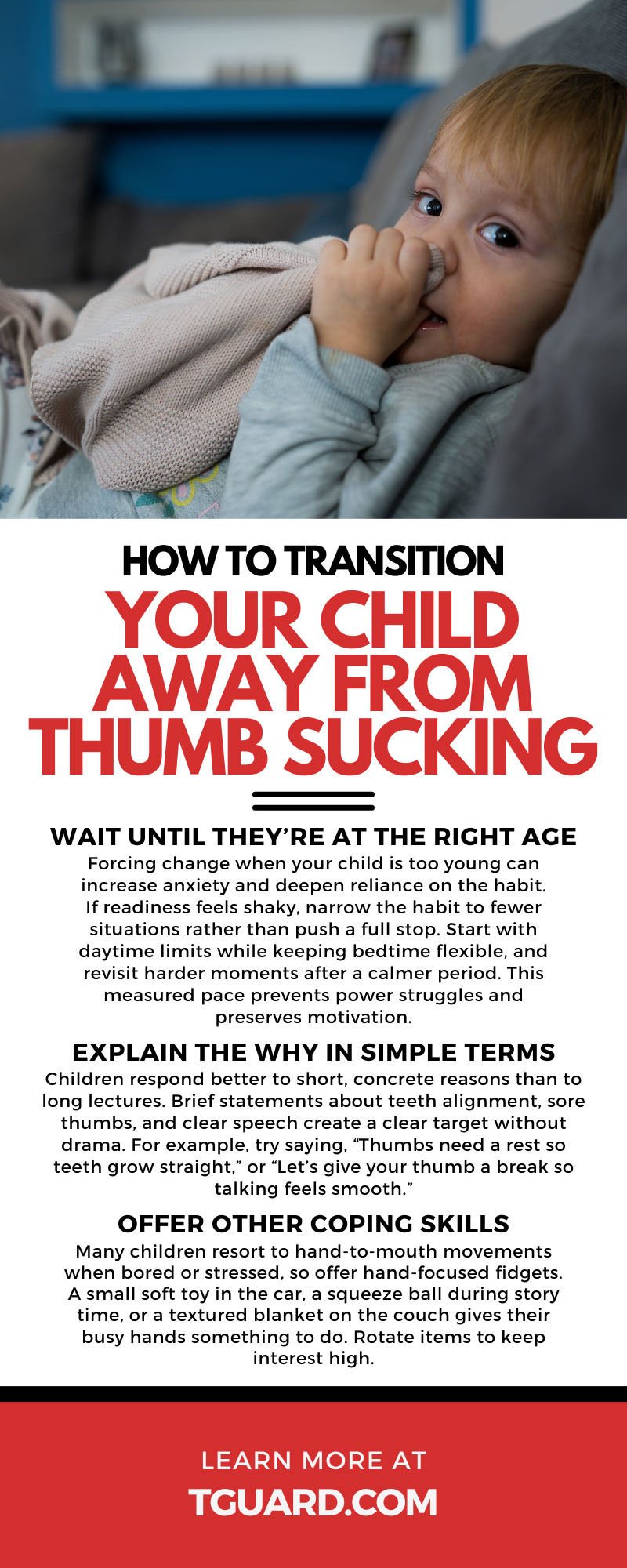
Thumb sucking soothes strong emotions, which explains why many parents worry when their child struggles to drop the habit. Parents often worry about teeth, speech clarity, and teasing, yet pressure and punishment surrounding thumb sucking can raise stress and further fuel the habit.
Progress takes time, and small, steady shifts work better than sweeping bans. The plan below focuses on timing, child-friendly explanations, and practical swaps that meet the same comfort needs without resistance. Get expert advice on how you can transition your child away from thumb sucking.
Wait Until They’re at the Right Age
Timing matters because self-regulation develops with age, and children handle change more effectively as that skill matures. Many children naturally quit thumb sucking between the ages of two and four years old, tapering further as kindergarten routines stabilize. Parents often notice readiness when a child removes their thumb after a quiet prompt, asks for additional comfort, or talks about growing bigger.
Forcing change when your child is too young can increase anxiety and deepen reliance on the habit. If readiness feels shaky, narrow the habit to fewer situations rather than push a full stop. Start with daytime limits while keeping bedtime flexible, and revisit harder moments after a calmer period. This measured pace prevents power struggles and preserves motivation.
Explain the Why in Simple Terms
Children respond better to short, concrete reasons than to long lectures. Brief statements about teeth alignment, sore thumbs, and clear speech create a clear target without drama. For example, try saying, “Thumbs need a rest so teeth grow straight,” or “Let’s give your thumb a break so talking feels smooth.”
Keep the tone neutral and supportive. Likewise, avoid scary language, threats, or labels such as “baby habit,” which invite shame and resistance. Offer a plan right after the explanation so that your child hears a path forward rather than a scolding.
Offer Other Coping Skills
Thumb sucking serves a comfort function, particularly during stress, boredom, or fatigue. Removing a habit without a replacement often leads to frustration and setbacks. Focus on giving your child new ways to self-soothe that feel natural and easy to accept. The goal is to comfort your child, not control them.
Below, we’ve detailed some coping skills to consider using with your little one.
Hand-Based Alternatives
Many children resort to hand-to-mouth movements when bored or stressed, so offer hand-focused fidgets. A small soft toy in the car, a squeeze ball during story time, or a textured blanket on the couch gives their busy hands something to do. Rotate items to keep interest high.
Mouth-Friendly Swaps
Sipping water through a straw, crunching cold apple slices at snack time, or using an age-appropriate silicone chew designed for children safely meet oral needs. Choose chew tools that meet safety standards and supervise your child as needed. Holding a clean straw or a small teether during story time also redirects the urge to suck their thumb.
Calming Routines
Bedtime often triggers thumb sucking, so predictability helps. Build a short sequence—bath, pajamas, two stories, then music—so the brain expects relaxation without the thumb. Add a simple breathing pattern, such as “smell the flower, blow the candle,” to anchor the body before lights out.
Movement-Based Releases
Kids discharge stress through motion, which reduces the pull toward the thumb. You could ask your child to give a pillow five big squeezes or a quick dance break after screen time. Brief physical resets can help during transitions, such as leaving the house or settling in for dinner.
Try Thumb Sucking Guards
Thumb sucking gloves like the TGuard AeroThumb offer a structured, comfortable way to help children break the habit. Rather than restricting movement, this soft, medical-grade device fits over the hand like a glove. It prevents the suction that makes thumb sucking soothing, turning the habit into a neutral experience instead of a pleasurable one.
Most parents notice changes within a week, and many children break the habit in under a month. The kit includes fun wristbands and a reward chart to motivate kids, and its ergonomic design keeps hands cool and comfortable during wear.
Limit High-Risk Moments First
Another way to transition your child away from thumb sucking is to focus on the times of day when the habit spikes. All-day bans fail because they overwhelm a child and drain family energy. Parents usually see peaks during screens, car rides, and bedtime, so start with just one of these windows.
Pick the easiest target first to build a quick win. If screens trigger thumb or finger sucking for your child, reduce viewing sessions and add a fidget or a water bottle during viewing. Celebrate small streaks, then expand to the next window. This momentum approach keeps motivation strong.
Use Gentle Reminders, Not Corrections
Shame often backfires because stress pushes a child right back to the thumb. Quiet, consistent cues are more effective than verbal corrections, especially in public. Try a light touch on the hand, a hand signal you both agree on, or a whispered “Water?” during story time.
Keep prompts brief and consistent—one cue per moment is enough. Repeated scolding often becomes background noise. Praise any self-correction immediately, even if it only lasts a minute, because each small success reinforces growing control and confidence.
Create a Simple Reward System
Short-term, low-stakes rewards motivate without pressure. A small sticker chart for “thumb rests” during a single target period provides clear feedback. Keep goals tiny at first, such as “no thumb during the car ride to school,” and reset every few days.
Non-material rewards work well at this age. Consider awards such as:
- Five extra minutes of stories
- Choosing the family meal for dinner
- Picking the weekend park activity
Avoid Stressful Triggers When Possible
Stress often increases the need for comfort, which can cause thumb sucking to surge during major life changes. Events like starting school, welcoming a new sibling, managing an illness, or traveling can temporarily disrupt progress. During these times, ease off on the most demanding goals and focus on protecting sleep and maintaining routines.
Once the situation stabilizes, return to the easiest target period and gradually rebuild confidence. Involve your child by asking simple questions, such as, “Which fidget should ride in the car this week?” Children are more invested and motivated when they help design the plan.
Get Extra Support if Needed
Thumb sucking warrants closer attention when it persists beyond age five or begins to affect teeth, speech clarity, or skin integrity. A pediatric dentist can assess changes in the bite and palate and recommend appropriate strategies. Speech-language pathologists address oral habits that affect speech clarity, while occupational therapists support sensory needs and self-regulation.
Give It Time
Habit changes do not happen overnight, especially when the behavior comforts your child. Expect progress to move in waves, with good days followed by brief setbacks. Treat slips as part of the process, not failure. Staying calm helps your child feel safe enough to keep trying.
Understanding how to break a thumb sucker takes patience, timing, and a calm approach. With consistent support and gentle guidance, your child can let go at their own pace and gain confidence along the way. Every small step forward is progress, and your patience makes that journey possible.
Products
-
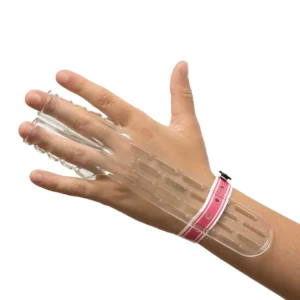 TGuard AeroFinger
Original price was: $69.80.$49.80Current price is: $49.80.
TGuard AeroFinger
Original price was: $69.80.$49.80Current price is: $49.80.
Save 29% -
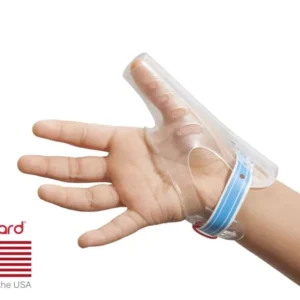 TGuard AeroThumb
Original price was: $69.80.$49.80Current price is: $49.80.
TGuard AeroThumb
Original price was: $69.80.$49.80Current price is: $49.80.
Save 29%