

Parents often wonder when a seemingly harmless childhood habit becomes a cause for concern. Thumb sucking is common among young children and often serves as a self-soothing mechanism.
However, when children continue sucking their thumb beyond early toddlerhood, questions about the habit arise—Can it harm teeth? Is it affecting emotional development? The answers aren’t always clear-cut, and it’s crucial to recognize when intervention might be needed. This guide focuses on assessing whether thumb sucking is a problem for your child so you can get them the help they may need.
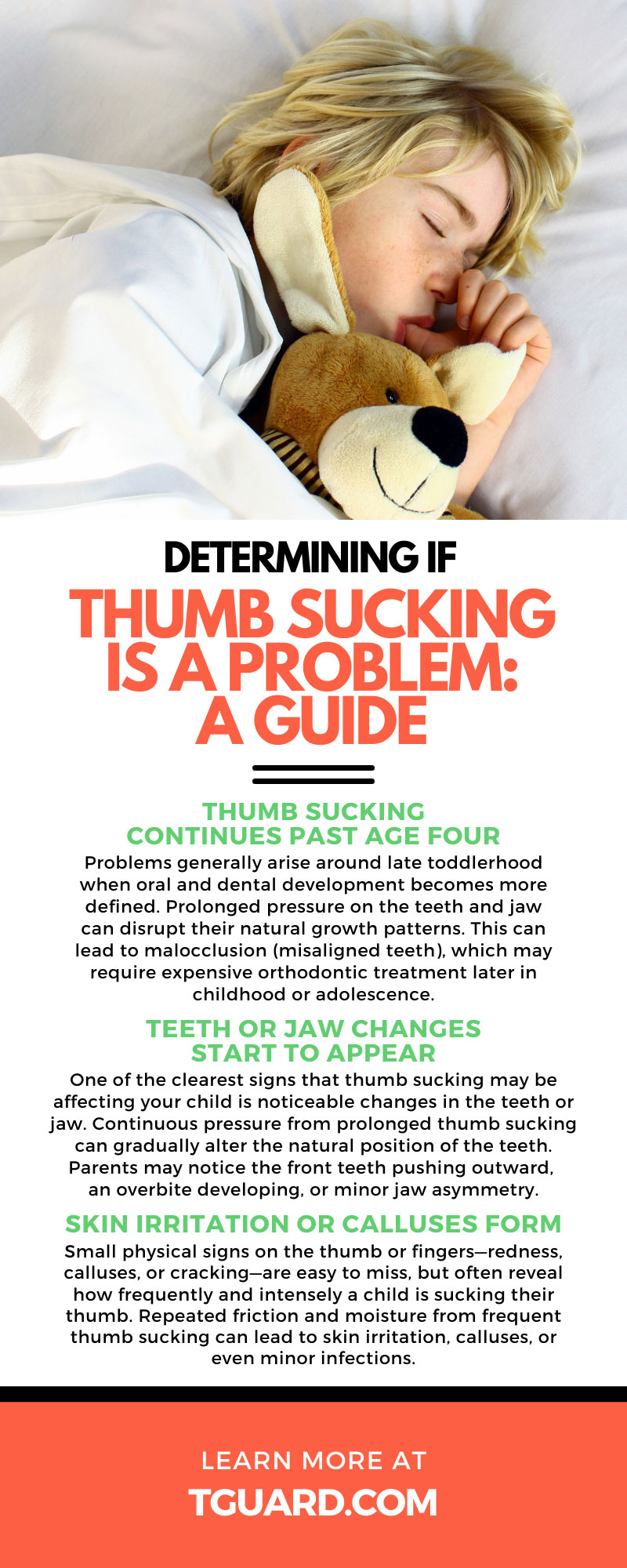
Thumb Sucking Continues Past Age Four
For children under four, thumb sucking is usually nothing to worry about since it is a natural stage of infancy. Problems generally arise around late toddlerhood when oral and dental development becomes more defined. Prolonged pressure on the teeth and jaw can disrupt their natural growth patterns. This can lead to malocclusion (misaligned teeth), which may require expensive orthodontic treatment later in childhood or adolescence.
Parent Tip
Habits become harder to reverse as children grow older because behaviors become ingrained into your child’s routines. This means that it’s best to help your child end their thumb sucking habit as soon as you or your dentist notices it’s an issue.
Teeth or Jaw Changes Start To Appear
One of the clearest signs that thumb sucking may be affecting your child is noticeable changes in the teeth or jaw. Continuous pressure from prolonged thumb sucking can gradually alter the natural position of the teeth. Parents may notice the front teeth pushing outward, an overbite developing, or minor jaw asymmetry.
Dentists may raise concerns if these changes go unchecked. At home, parents can watch for subtle clues such as gaps between teeth or changes in jaw shape. Reducing thumb sucking or seeking dental guidance can help prevent more serious issues later.
Thumb Sucking Happens During Focus or Stress
While many children suck their thumbs to fall asleep, your child may depend on it when they feel physically or emotionally uncomfortable. Watch for thumb sucking during the following activities:
- Screen time or watching TV
- Car rides or travel
- Homework or school-related stress
- Moments of anxiety, frustration, or fatigue
If thumb sucking becomes a go-to response to stress, it may indicate your child is struggling to regulate emotions or develop coping mechanisms. Identifying these patterns can help you provide alternative ways to comfort or redirect your child during moments of unease.
Skin Irritation or Calluses Form
Small physical signs on the thumb or fingers—redness, calluses, or cracking—are easy to miss, but often reveal how frequently and intensely a child is sucking their thumb. Repeated friction and moisture from frequent thumb sucking can lead to skin irritation, calluses, or even minor infections.
Physical changes to the thumbs and fingers not only indicate how often the habit occurs but also serve as a vital early warning sign. Simple checks can help parents spot when casual soothing evolves into a more serious routine that requires attention.
Speech Issues Begin To Surface
Another sign that thumb sucking is a problem for your child is if they begin having speech difficulties. The thumb’s placement inside the mouth can interfere with tongue positioning, leading to difficulties with pronunciation. For example, some children may struggle with certain sounds, such as “s” or “th.”
It’s essential to note that thumb sucking alone doesn’t cause all speech issues; this can stem from a range of things. However, it can complicate existing challenges, emphasizing the need for timely intervention. Speech therapy or breaking the habit early can alleviate these challenges and support healthy language development.
Social Awareness Becomes Embarrassment
As children grow older, social dynamics come into play. Around preschool or early elementary school, children often become more aware of their peers’ reactions. More specifically, thumb sucking, especially in public, can lead to teasing, embarrassment, or avoidance.
Sometimes, a child might hide to engage in thumb sucking or react strongly to comments from others. These emotional impacts could affect confidence and social skills, making this an important stage for parents to step in with empathetic solutions.
Tips for Ending Thumb Sucking
Breaking the thumb sucking habit is not about pressure or punishment—it’s about compassion and consistency. The good news is that most children can overcome this habit with the right strategies. Here are some steps to guide the process:
Start With Awareness, Not Shame
Calmly introduce the topic and acknowledge the habit without negativity. For example, you might say, “I noticed when you’re feeling sleepy, you like to suck your thumb. Let’s figure out something else that can help you relax.”
Identify the Trigger
Look for patterns. Is thumb sucking linked to specific times or activities? Addressing triggers like stress, boredom, or fatigue can help resolve the underlying issue rather than just the symptoms.
Offer a Replacement Comfort
Redirect your child’s soothing behavior with safe, engaging alternatives. Options include stuffed animals, fidget toys, and calming activities such as deep breathing, gentle stretching, or bedtime storytelling. Providing a consistent replacement helps your child satisfy the need for comfort while gradually reducing reliance on thumb sucking.
Set Clear and Achievable Goals
Break the process into small, realistic steps. Start with limiting thumb sucking during specific activities, such as watching TV or riding in the car, before tackling more challenging times like bedtime. Celebrate each milestone, no matter how small, to reinforce positive progress. Clear, incremental goals make the habit easier to manage and give both you and your child a sense of accomplishment as you move toward success.
Use Physical Reminders When Needed
Tools like thumb sucking guards or gentle barriers can help reinforce the process without causing discomfort or shame. These reminders work best when combined with awareness and support, serving as a subtle cue rather than a punishment. Over time, children learn to associate the tool with self-control and independence, making the habit easier to break while maintaining confidence and comfort throughout the process.
Praise Effort and Progress
Encourage your child by recognizing the effort they put in, rather than focusing solely on results. Celebrate moments of awareness, even if they still struggle at times. Consistent praise builds confidence and motivates continued effort, reminding your child that progress is a journey.
Be Consistent and Patient
Ending a habit does not happen overnight, but with persistence and encouragement, your child can overcome thumb-sucking. It’s also important to remember that every child is different and may require a unique approach, so be open to adapting your strategy if needed.
Buy The Right Tools
Breaking the thumb-sucking habit is easier with the right support. Products like TGuard’s thumb sucking glove gently discourage sucking while keeping your child comfortable, making the process less stressful for everyone. Using these tools alongside awareness, triggers, and replacements gives kids a better chance of successfully stopping the habit. With consistent use and encouragement, you can guide your child toward healthy oral development while reducing frustration for both parent and child.
Products
-
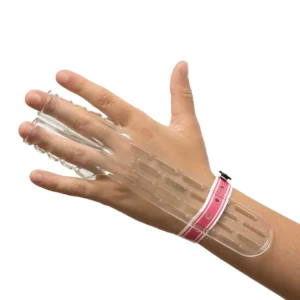 TGuard AeroFinger
Original price was: $69.80.$49.80Current price is: $49.80.
TGuard AeroFinger
Original price was: $69.80.$49.80Current price is: $49.80.
Save 29% -
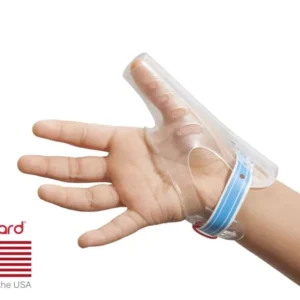 TGuard AeroThumb
Original price was: $69.80.$49.80Current price is: $49.80.
TGuard AeroThumb
Original price was: $69.80.$49.80Current price is: $49.80.
Save 29%