

Many kids with autism experience strong oral sensory needs, and those needs often show up through chewing, biting, thumb sucking, or mouthing objects. These behaviors can confuse or overwhelm parents, especially when they seem constant or happen during stressful moments. You want your child to feel calm and safe, but you also wish for healthier, more appropriate ways for them to regulate.
Oral sensory helps kids manage anxiety, organize their sensory system, and feel grounded in moments when their environment feels unpredictable. When you understand the purpose behind thumb sucking or other repetitive oral behaviors, you gain clarity on what your child truly needs—not what you should “stop.” We’ll explain what oral sensory issues look like in kids with autism so that you can effectively address their needs.
Why Thumb Sucking Happens as a Sensory Need
Thumb sucking offers consistent deep-mouth pressure, soothing children with autism whose nervous systems are easily overwhelmed. This repetitive motion calms them, improves their focus, and provides a constant self-regulation tool.
You might notice that thumb sucking increases during transitions, when your child is tired, or in new, overstimulating environments. If this occurs, the behavior is likely a coping mechanism. The problem is that persistent thumb sucking can cause skin irritations around the mouth and on the thumb, potential infections, and alter the shape of the jaw. Consistent thumb sucking in early childhood increases the risk of an overbite, underbite, crossbite, or high palate.
How Autism Relates to Oral Fixation
Although thumb sucking is not an exclusive characteristic of autism, many kids with autism rely on oral behaviors as a calming sensory input. Chewing, biting, sucking, or mouthing objects helps them regulate their nervous system when they feel anxious, overwhelmed, or under-stimulated. Oral behaviors can also function as a type of stimming, since repetitive sucking or chewing helps kids manage emotions and maintain a sense of control.
Understanding the link between autism and oral fixation shows how oral inputs support sensory processing and self-soothing. This insight explains why some children gravitate toward these patterns and how targeted strategies can reduce them over time.
What Are the Signs of Oral Sensory Issues?
Oral sensory challenges can show up in many ways and often serve as coping strategies, even when they seem unusual or repetitive. Recognizing the signs of oral sensory issues in kids with autism helps you understand what your child needs and find appropriate alternatives.
Common signs of oral sensory issues include:
- Thumb sucking beyond typical ages
- Chewing on clothing, toys, or hair
- Mouthing non-food objects
- Pocketing food or refusing to swallow
- Gagging or vomiting with certain textures
These behaviors usually indicate that your child is seeking oral input or trying to regulate their nervous system. For example, you might notice that your child craves intense inputs—chewing on toys, clothing, or crunchy foods—or reacts strongly to certain textures, tastes, or temperatures.
Observing how your child responds in different situations can help you understand whether they are sensory-seekers who need more oral stimulation or if they’re sensory-avoidant and easily overwhelmed. This insight is key to choosing strategies and tools that meet your child’s unique needs.
Why You Should Meet With an OT
An occupational therapist (OT) uncovers the specific reasons behind oral sensory behaviors. They use a combination of tools, including sensory assessments and detailed parent questionnaires, to build a complete picture of the child’s sensory profile. During the appointment, the OT will observe your child’s behavior, paying close attention to what triggers the thumb sucking or chewing.
An oral-motor evaluation is often part of this process. An OT assesses the jaw, lips, and tongue for muscle tone, strength, and coordination. This helps determine if the sensory-seeking behaviors are related to underlying weakness or coordination difficulties. The goal is to rule out any medical or structural issues and create a targeted intervention plan.
How To Reduce Oral Seeking Behaviors
Create a Daily Sensory Routine
Having a planned routine of sensory activities can help reduce a child’s constant craving for oral input. By proactively offering appropriate sensory experiences throughout the day, you can help meet your child’s needs in a structured way, reducing the likelihood of thumb sucking or chewing on unsafe items.
You could also incorporate crunchy foods like apple slices or pretzels, as well as cold snacks like frozen berries, into their diet; this meets their sensory needs but in a healthy way.
Moreover, schedule short sensory breaks before challenging transitions, such as leaving the house or starting homework. A predictable routine with built-in sensory inputs helps a child feel regulated and reduces the anxiety that often triggers oral-seeking behaviors.
Parent Tip
Never try to stop thumb sucking cold turkey. Abruptly ending the habit is challenging for any child because thumb sucking triggers dopamine release in the brain, which can feel addictive. For children with autism, this sudden change can be even more difficult due to their need for consistency and predictability.
Offer Safe Oral Sensory Tools and Alternatives
Redirecting a child from thumb sucking or chewing on their clothes to a safe alternative is a practical strategy. There is a wide variety of oral sensory tools designed for this purpose. Chewable jewelry, such as necklaces and bracelets, offers a discreet and accessible option for kids at school or in the community.
Introduce these tools in a low-pressure way, perhaps during a calm moment. The idea is to present them as a cool and helpful option, not as a punishment for thumb sucking.
Build Oral Motor Strength Through Play
Weakness in the mouth, lips, or jaw can contribute to oral sensory issues. Playful activities that build oral motor strength and coordination provide therapeutic benefits without feeling like therapy.
Try games that involve blowing, like blowing bubbles, whistles, or cotton balls across a table with a straw. This strengthens the lips and cheeks. Moreover, using resistive straws to drink thicker liquids like milkshakes or smoothies provides a great sucking alternative that also builds muscle. Likewise, making funny faces, practicing tongue clicks, and playing chewing games with therapy putty can improve jaw control and overall oral awareness.
Why You Should Buy Thumb Sucking Guards
If your child sucks their finger or thumb, it’s best to buy a comfortable device to stop thumb sucking. Specific options, such as a thumb sucking glove, slide over your child’s hand and do not restrict movement. Additionally, thumb sucking gloves remove the suction component of thumb sucking, making it easier for a child to cope.
Remember, oral sensory behaviors help your child to manage their world, and small, consistent steps can make a big difference. By observing, supporting, and offering safe alternatives, you help your child feel regulated, confident, and understood. With patience and the right tools, you can guide them toward healthier ways to self-soothe while honoring their unique needs.

Products
-
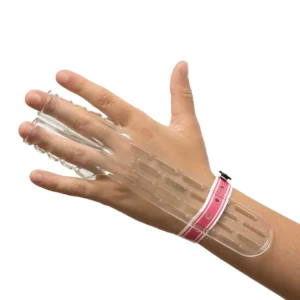 TGuard AeroFinger
Original price was: $69.80.$49.80Current price is: $49.80.
TGuard AeroFinger
Original price was: $69.80.$49.80Current price is: $49.80.
Save 29% -
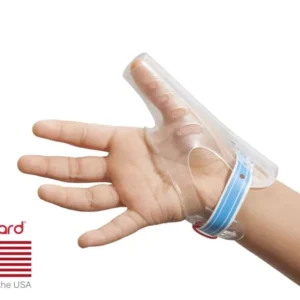 TGuard AeroThumb
Original price was: $69.80.$49.80Current price is: $49.80.
TGuard AeroThumb
Original price was: $69.80.$49.80Current price is: $49.80.
Save 29%