
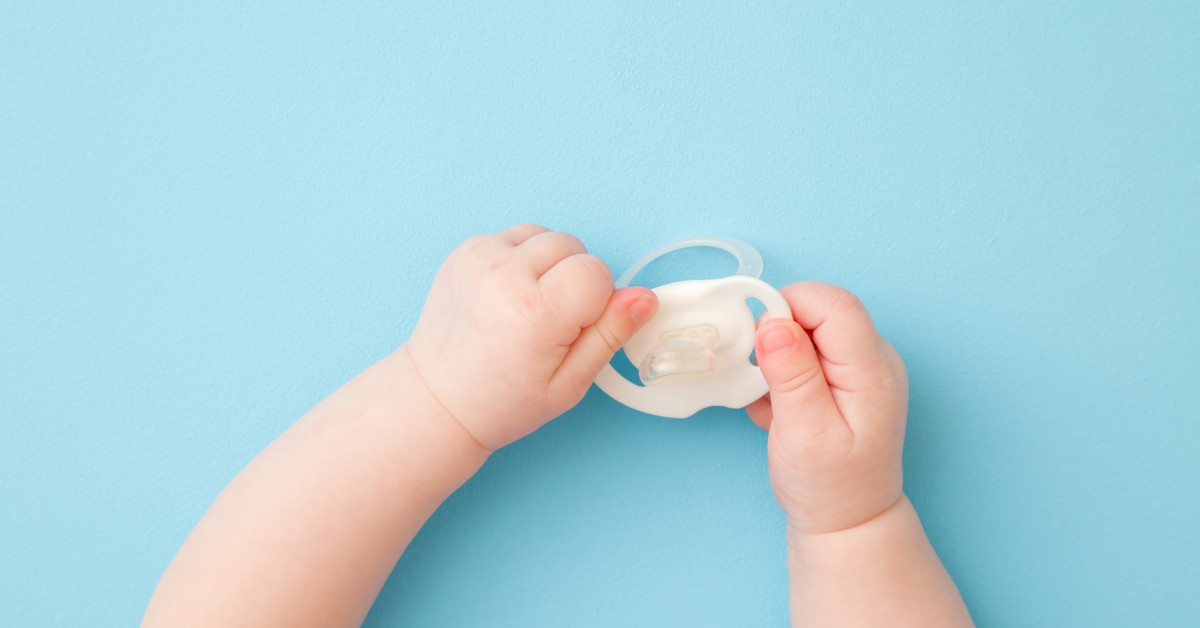
Thumb-sucking and pacifier use start as normal, self-soothing habits in infancy. Many babies use sucking to regulate, settle, and fall asleep, so families treat these tools as part of daily life. However, knowing when to say goodbye to thumb-sucking and pacifiers can be challenging, as they provide comfort for your child. Below, we’ve detailed when your child should quit the habit, and what you can do to help them.
When Is the Right Time To Stop?
Most children naturally stop thumb-sucking or pacifier habits between ages 2 and 4 as they explore language, play, and social connections. However, some kids continue longer, especially if they rely on sucking to cope with discomforts like separation anxiety.
Many pediatric dentists intervene around age four because, by this point, the habit can affect tooth alignment and jaw development. During an evaluation, a dentist will note the frequency and intensity of thumb-sucking. Aggressive thumb-sucking is more serious and puts extra pressure on the jaw.
Clues Your Child Is Ready To Give It Up
Often children naturally intuit when it’s time to say goodbye to thumb-sucking and pacifiers and outgrow the habit by toddlerhood. Readiness to quit the habit can also show up in the following ways:
- Talks about stopping or asks what it would feel like to sleep without a pacifier, showing internal motivation.
- Uses the habit only at bedtime or during stress, indicating a decrease in dependence.
- Reaches for a blanket, stuffed animal, or book for comfort, practicing replacement coping skills.
- Follows simple plans with rewards or rules, demonstrating the focus needed for charts or story-based strategies.
Signs Your Child May Need Extra Help
Although many children quit thumb-sucking or pacifier use on their own, that isn’t the case for every child. Some children rely heavily on it as a primary coping mechanism or become addicted to it because of the dopamine release in the brain. Signs your child may need help quitting include the following:
- A child who continues frequent thumb-sucking or pacifier use past age 4, with little reduction, may benefit from a targeted plan and closer follow-up.
- A child with visible dental changes, such as an open bite or a narrow palate, should see a pediatric dentist who can check growth and offer habit guidance.
- A child who shows intense distress when separated from the pacifier or when prevented from thumb-sucking may need more gradual steps and extra comfort strategies.
- A child who reacts with consistent tantrums or strong resistance to every attempt at change likely needs a slower timeline, more control, and predictable rewards.
Using the Right Tools To Make the Transition Easier
Knowing how to break a thumb sucker can be hard, and the best option(s) will differ for every child. Generally, it’s best to start with positive reinforcement, like sticker charts or small rewards for progress, and gradually reduce usage by limiting it to certain times, such as bedtime. Likewise, physical aids, like thumb guards or pacifier clips, can gently encourage self-weaning, while distractions—books, toys, or activities—offer comforting alternatives.
Every child moves at their own pace, and patience paired with gentle guidance makes the transition smoother. Celebrate small victories along the way, knowing each step brings healthier habits, stronger independence, and growing confidence.
Products
-
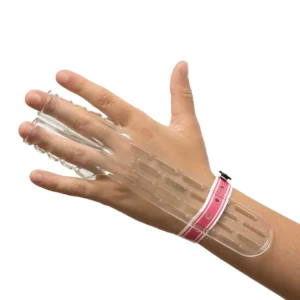 TGuard AeroFinger
Original price was: $69.80.$49.80Current price is: $49.80.
TGuard AeroFinger
Original price was: $69.80.$49.80Current price is: $49.80.
Save 29% -
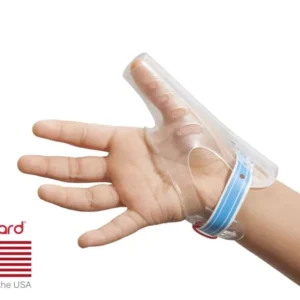 TGuard AeroThumb
Original price was: $69.80.$49.80Current price is: $49.80.
TGuard AeroThumb
Original price was: $69.80.$49.80Current price is: $49.80.
Save 29%