
As a parent, you’ve likely considered several options while looking for a treatment to stop your child’s thumb or finger sucking. One of the most popular options is fabric finger gloves, which encapsulate the hands, impeding the habit. Lauded as a gentler, often more cost-effective solution, many parents begin with fabric thumb and finger guards without understanding the possible drawbacks. In this guide, we’ll review the strengths and potential pitfalls of using fabric thumb and finger covers to treat these habits.
How do fabric thumb and finger guards work?
Fabric hand covers deter thumb and finger sucking by obstructing the child’s access to their hand with a cloth barrier that makes the experience less “satisfying” than skin-to-mouth contact. Additionally, fabric thumb and finger covers come in bright colors and fun patterns to build awareness of the habit. Parents are recommended to pair soft hand covers with behavioral charts and positive reinforcement to help children fully break their habit.
Advantages of Fabric Hand Guards
The market for thumb and finger sucking treatments is vast, but fabric hand covers remain a popular starting point for several reasons.
Low Upfront Cost
Parents often gravitate towards fabric thumb and finger guards as they are cheaper than structured alternatives, coming in at around $10-20 USD. For price-conscious families and those seeking easy options to start thumb and finger sucking treatment, soft hand covers are a popular option.
Familiarity and Softness
Fabric hand covers resemble normal clothing and often feature appealing colors and patterns, making them less intimidating than medical-grade solutions. Additionally, these solutions can be more discreet in school and social settings.
Hand Dexterity
Fabric thumb and finger guards are soft and pliable, allowing children to retain their regular range of motion so they can easily and comfortably grip a pencil, hold a toy, or read a book.
Disadvantages of Fabric Hand Guards
While fabric thumb and finger covers are a common introductory solution to habits, many parents notice several drawbacks within a few weeks of starting these treatments.
Hygiene Concerns
Fabric thumb and finger guards absorb moisture, leading to several health risks, including increased bacterial growth and skin damage from wet fabric chapping and irritating the hands. Even with proper cleaning of devices, odor and bacteria can worsen over time.
Ease of Reoval
Many fabric hand covers are secured with elastic, velcro, or just placed over the thumb and fingers, making it easy for children to remove these devices. Due to the weak attachment, it’s also easy for soft devices to slide off the hand during sleep or play. For this reason, most fabric hand covers functional primarily as “reminders”, in that a child that is not motivated to quit will simply remove the device quite easily.
Maintenance and Ongoing Investment
While single fabric covers are cheaper than most treatments, many parents quickly become frustrated with laundering the guards every couple of days, and also have to invest in several devices as the habit persists.
Failure to Address Underlying Habit
While fabric guards can block a child’s direct access to their thumb or finger, these devices do not address the underlying pleasurable “vacuum” sensation that drives children to suck their finger or thumb. Many children will also bypass the deterrent by chewing or sucking through the fabric, leading it to become part of their habit rather than a preventative.
Ultimately, while fabric covers are often chosen for their low price point and cute design, the frustrations of damp materials and inconsistent results quickly outweigh these small benefits. Breaking a persistent thumb or finger sucking habit requires more than just a surface-level barrier; it requires a tool designed for the job.
Comparing Fabric and Structured Treatments
| Criteria | Fabric Guard Solutions | Medical-Grade Soft Plastic Guards |
| Primary Mechanism | Physical barrier/Taste texture. Due to easy removal, primarily acts as a reminder not to suck. | Breaks the suction/vacuum reflex |
| Hygiene | Absorbs saliva; requires daily washing | Non-porous; easy to sanitize in seconds |
| Durability | Subject to wear, tearing, and dampness | Medical-grade polymer |
| Success Rate | High risk of “cheating” or removal | High (90%+) due to secure fastening |
| Treatment Time | Often months (habit persists) | Usually 4 weeks or less |
What Treatment is Best for My Child?
Breaking a habit is no small feat. It requires consistency, the right tools, and an understanding of your child’s unique needs. To help determine which solution is optimal for your child, consider these three critical pillars:
- Habit Persistence: Consider whether your child is a casual thumb sucker or if this appears to be a deeper reflex that emerges throughout the day. While casual habits may sometimes respond to gentler reminders, more entrenched thumb and finger sucking habits are more effectively treated with a fixed, medical-grade guard.
- Your Daily Routine: Do you have time to consistently clean and adjust fabric hand covers? If not, “a set and forget it” solution, such as a structured thumb or finger sucking appliance, is a superior solution
- Physical Health: The material you place on your child’s hand stays there for a significant portion of the day. It’s important to consider if your child has sensitive skin or if their hands already show signs of redness, calluses, or chapping. If so, a vented, non-porous solution, such as a structured hand guard, allows for consistent airflow, keeping the skin dry and preventing irritation and bacterial growth.
Explore Thumb and Finger Guards from TGuard
If you are looking for a solution that combines dermatological safety with proven suction-breaking technology, TGuard is designed to gently and effectively stop your child’s habit.
At TGuard, we believe that the kindest way to break a habit is to do it effectively, hygienically, and quickly. Our products are engineered to remove the guesswork and the “laundry cycles” from the process, allowing you to focus on celebrating your child’s progress.
- Clinically Proven Design: Our vented, medical-grade plastic guards are the only solution specifically designed to break the suction reflex at the root of the habit.
- Hygienic and Breathable: Our non-porous material and airflow vents ensure your child’s skin stays dry and healthy.
- Secure and Consistent: With our child-proof fastening system, you can rest easy knowing the device stays in place until the habit is truly a thing of the past.
- Results in Weeks: Most families see a permanent end to the habit in 30 days or less, usually seeing results in 3-4 days.
Ready to find the perfect fit? [Browse the TGuard Collection] Discover our range of thumb and finger guards and take the first step toward protecting your child’s smile today.
Deciding Between Fabric and Structured Hand Guards FAQs
Why does breaking the suction matter more than just covering the thumb?
Covering the thumb with fabric only creates a physical barrier, but doesn’t stop the pleasurable “vacuum” sensation that drives children to suck their finger or thumb. Because TGuard’s medical-grade plastic treatment kits are ventilated, they allow air to flow while interrupting suction. When the “reward” of the habit is removed, the child naturally loses interest more quickly, often within four weeks.
Don’t fabric covers cost less?
While a single fabric thumb or finger guard has a lower upfront cost, they often require larger investments for uncertain long-term results. Parents often have to frequently replace fabric covers since the soft materials are absorbent and prone to wear. Additionally, these devices don’t target the underlying suction mechanism that perpetuates thumb and finger sucking habits.
Are structured thumb and finger guards comfortable enough for my child to wear all day?
Yes. TGuard is made with soft, flexible plastic designed to move with your child as they eat, sleep, play, read, and write. Because these devices are vented, they are often more comfortable than fabric in the long run since they don’t get soggy, heavy, or itchy.
My child is a very determined “escape artist”. Can they take TGuard off?
Fabric covers usually rely on Velcro or elastic, which most children can bypass in seconds. TGuard is made out of a specially formulated material that resists stretching, and is securely attached with an adjustable, locking bracelet. The device comes in three sizes, ensuring it is comfortable and secure.
Products
-
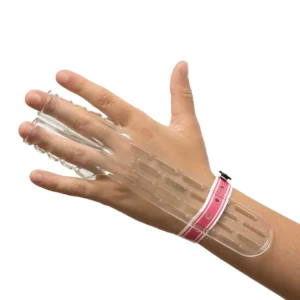 TGuard AeroFinger
Original price was: $69.80.$49.80Current price is: $49.80.
TGuard AeroFinger
Original price was: $69.80.$49.80Current price is: $49.80.
Save 29% -
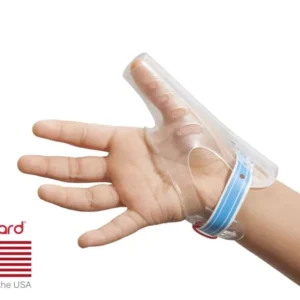 TGuard AeroThumb
Original price was: $69.80.$49.80Current price is: $49.80.
TGuard AeroThumb
Original price was: $69.80.$49.80Current price is: $49.80.
Save 29%