
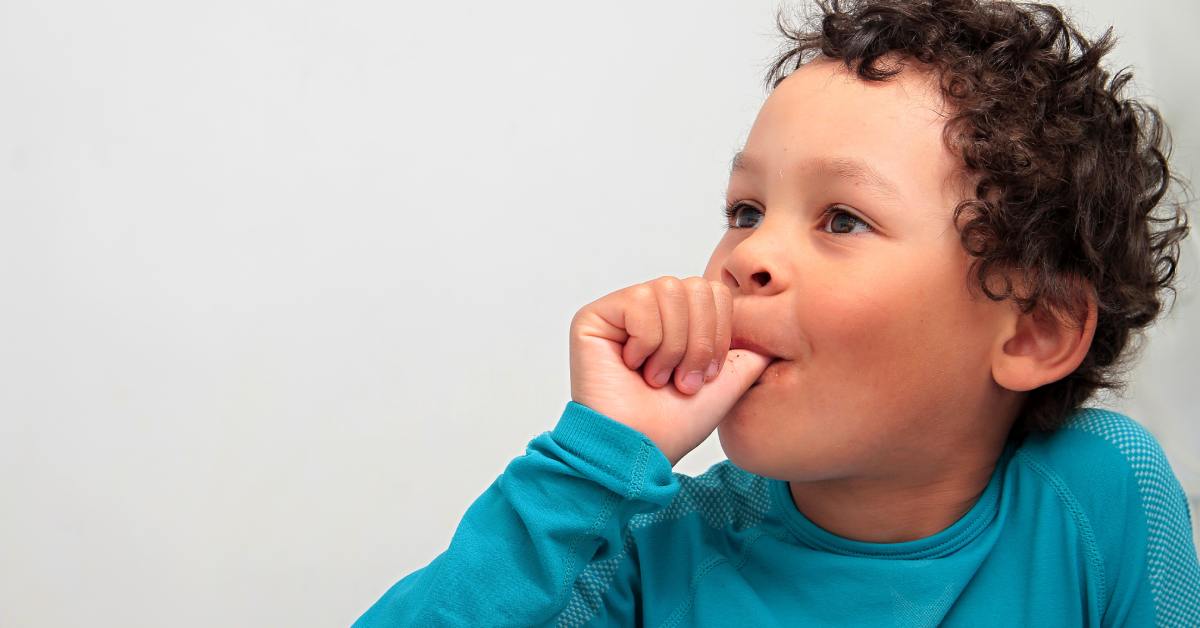
Thumb sucking places steady pressure on the front teeth. Each time a child sucks their thumb, the thumb presses against the upper front teeth, pushing them forward. Over time, this pressure can shift the position of the teeth. Questions about how thumb sucking affects your child’s teeth usually appear once early dental changes become visible. Find out how this behavior impacts your little one.
Narrowing of the Upper Jaw
The roof of the mouth, known as the palate, plays a major role in supporting the upper teeth. During childhood, this bone remains soft and responsive to pressure. A thumb resting against the palate during sucking can gradually elevate the palate.
As the palate rises, the upper jaw can narrow. When this happens, less space remains for incoming permanent teeth. Crowding often develops when teeth compete for limited space within the dental arch.
Changes in Tooth Alignment
Thumb sucking places steady pressure on the developing front teeth. When a child repeatedly sucks their thumb, the thumb presses against the upper front teeth and gradually pushes them forward. Over time, this pressure can shift the position of the teeth and disrupt how the upper and lower jaws come together.
As the teeth move, the bite can begin to change. Some children develop an open bite, where the front teeth no longer touch when the mouth closes. Others develop an overbite, where the upper teeth extend too far forward over the lower teeth. These alignment changes can make biting certain foods more difficult and may affect how the smile develops.
Delayed or Altered Tooth Eruption
Thumb sucking also affects a child’s teeth, altering tooth eruption. Children lose baby teeth to make room for permanent teeth. In a healthy dental arch, permanent teeth emerge into spaces that support proper alignment. Thumb sucking can interfere with this process by changing the shape of the jaw and spacing between teeth.
When the dental arch narrows or shifts, permanent teeth may erupt at unusual angles. Some teeth may overlap or rotate as they emerge. These changes often lead to crowding that requires orthodontic treatment later.
Signs the Habit Is Affecting Your Child’s Teeth
Parents sometimes notice early warning signs before a dentist confirms a problem. These changes usually appear gradually as the habit continues.
Common signs include the following:
- Front teeth that angle outward
- Teeth that no longer meet when the mouth closes
- A narrowing of the appearance in the upper jaw
- Difficulty biting certain foods
- Changes in speech sounds like “s” or “th”
End the Habit
Many parents begin researching ways to stop thumb sucking once they understand how the habit can influence tooth alignment, jaw growth, and long-term oral health. Many parents find success by identifying when the habit occurs most often, such as at bedtime or during stressful moments. Encouragement and consistent guidance can help children replace the habit with healthier coping behaviors.
By working with your child early, you can help prevent small dental changes from becoming long-term alignment problems. Early guidance allows the teeth and jaw to continue developing in a healthier direction.
Products
-
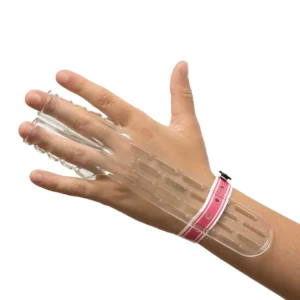 TGuard AeroFinger
Original price was: $69.80.$49.80Current price is: $49.80.
TGuard AeroFinger
Original price was: $69.80.$49.80Current price is: $49.80.
Save 29% -
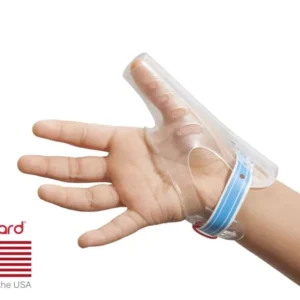 TGuard AeroThumb
Original price was: $69.80.$49.80Current price is: $49.80.
TGuard AeroThumb
Original price was: $69.80.$49.80Current price is: $49.80.
Save 29%