
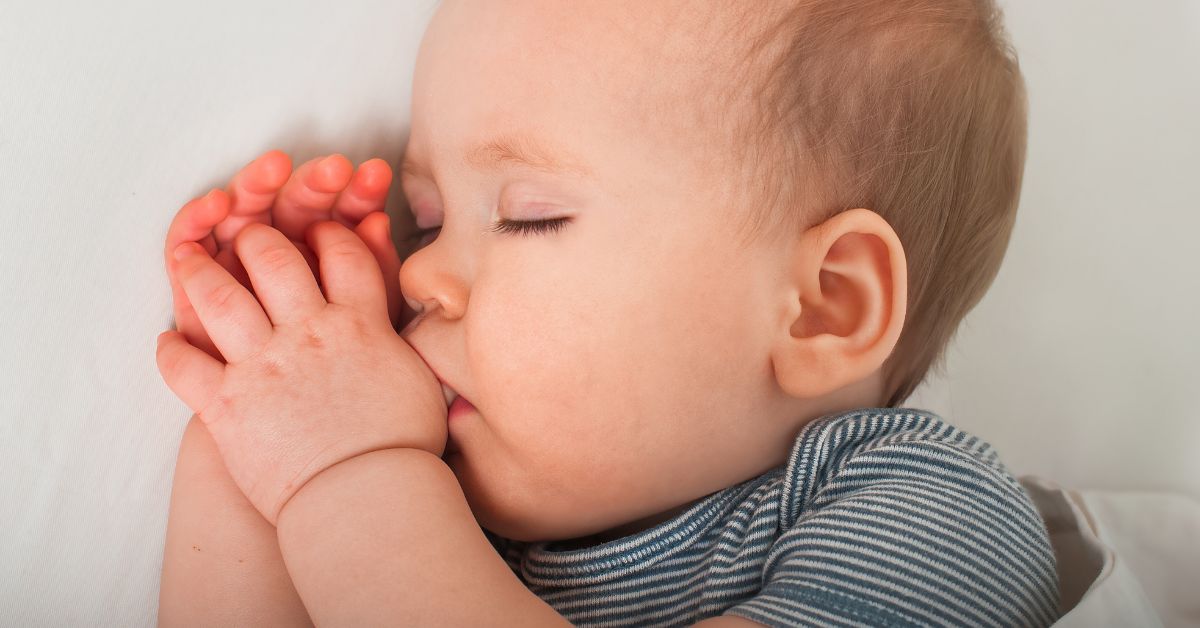
Young children rely on simple habits to calm themselves when emotions feel overwhelming. These behaviors begin early and help children handle stress, fatigue, and unfamiliar situations. Parents may notice these patterns during bedtime, transitions, or moments of frustration. Recognizing common self-soothing behaviors in young children helps you identify when a habit may begin to cause problems.
Why Self-Soothing Behaviors Matter
Self-soothing gives children a way to regulate emotions before they can fully express what they feel. These habits provide comfort in moments when a child feels unsure, tired, or overstimulated. Over time, children replace these early behaviors with more mature coping skills.
Some habits continue longer than expected and begin to affect physical development or daily routines. Thumb sucking can shift teeth, while nail biting and skin picking can damage the skin. Early awareness allows parents to step in before these behaviors become harder to change.
Common Self-Soothing Behaviors
Children show self-soothing behaviors in different ways, but each one serves the same purpose. These habits help children regain a sense of calm when emotions rise or energy drops. Some of the most common behaviors include the following:
- Thumb or finger sucking
- Pacifier use
- Hair twirling or pulling
- Rocking or swaying
- Nail biting
- Attachment to blankets or stuffed animals
- Skin picking or finger rubbing
- Humming or repetitive sounds
Each behavior may look harmless at first, but patterns reveal how frequently a child relies on it. When a habit appears throughout the day or becomes part of daily routines, it can begin to interfere with development or social awareness.
Thumb or Finger Sucking
Thumb and finger sucking begins early as a natural way for children to feel calm and secure. Many children rely on this habit during sleep, stressful moments, or quiet downtime, since the repetitive motion creates a strong sense of comfort. Because it works so quickly, the habit can become deeply ingrained over time.
As the behavior continues, it places pressure on the front teeth and jaw. This repeated force can gradually shift tooth position and change how the bite comes together. When the habit extends beyond the early years, it can become more difficult to stop and may require additional support to correct.
Parent Tip
There are many ways to stop finger sucking, and a finger sucking glove is one of your best options. This device slides over your child’s hand and has holes in the side to reduce the pleasurable suction sensation, naturally stopping the habit.
Pacifier Use
Pacifiers provide comfort in much the same way as thumb sucking, but they give parents more control over when and how the habit happens. Since caregivers can limit use or remove it entirely, the habit feels more manageable during daily routines and transitions.
Even so, long-term use can still affect how the mouth develops. The repeated pressure from a pacifier can influence the shape of the palate and the position of the teeth over time. Children who depend on it for comfort may also have a harder time letting go of the habit when it’s time to stop.
Hair Twirling or Pulling
Hair twirling appears during moments of rest or concentration. Children may twist strands of hair while falling asleep or sitting quietly. This repetitive motion provides a calming sensory experience.
Hair pulling takes this behavior further and can lead to visible thinning or bald spots if the habit goes on for a long time. When a child consistently begins to pull hair, the habit signals a deeper reliance on self-soothing. Addressing it early prevents physical effects and reduces dependency.
Rocking or Swaying
Rocking and swaying help regulate a child’s body and emotions through movement. This behavior appears when children feel tired, overwhelmed, or overstimulated. The repetitive motion creates a sense of rhythm and control.
Most children move away from rocking as they develop other coping strategies. When the behavior persists into later childhood or interferes with daily activities, rocking and swaying may require closer attention.
Nail Biting
Nail biting tends to appear as children become more aware of their environment and how they respond to it. It can surface during moments of stress, boredom, or even deep concentration, often without the child realizing it’s happening. Since it runs in the background, the habit can continue without interruption and become part of daily behavior.
Over time, frequent nail biting can expose children to germs and irritate the skin around the nails. As the habit becomes linked to emotional responses, it can feel harder to break without consistent guidance and support.
Blankets or Comfort Objects
Many children form strong attachments to blankets or stuffed animals because these items provide a steady sense of comfort during transitions such as bedtime or separation from their parents. Having something familiar nearby helps ease uncertainty and gives children a reliable way to settle themselves in new or uncomfortable situations.
While comfort objects don’t pose physical risks, a strong dependence on them can make it harder for children to self-soothe. As children grow, gradual encouragement toward independence helps them build confidence and develop more flexible ways to manage their emotions.
Skin Picking or Finger Rubbing
Some children develop habits such as picking at their skin or rubbing their fingers repeatedly. These behaviors offer a quiet way to release tension. They may appear during moments of stress or fatigue.
Repeated skin picking can lead to irritation, scabbing, or infection. When the behavior becomes frequent, it signals a need for alternative coping methods. Parents can help redirect the habit before it causes visible damage.
Humming or Repetitive Sounds
Humming or repeating sounds gives children a way to regulate their sensory input. These behaviors may appear in loud or overwhelming environments. The repetition helps children focus and block out excess stimulation.
Most children reduce sound behaviors as their communication skills improve. When it becomes constant or disrupts daily interactions, it may indicate a stronger need for self-regulation support.
When To Seek Help
Understanding the common self-soothing behaviors in young children helps you determine whether your child needs help with their coping skills. Habits that persist beyond the toddler years can signal a deeper reliance, especially when physical changes such as tooth movement, skin irritation, or sleep disruption appear. Shifts in behavior, such as avoiding situations without the habit or struggling in group settings, can also point to a growing dependence.
Early guidance from a pediatric dentist or healthcare provider can help address these patterns and prevent them from becoming long-term challenges. Timely support also makes it easier to guide children toward healthier coping habits before the behavior becomes more difficult to change.
Support Healthier Habits
Children need guidance as they move away from early self-soothing behaviors, and replacing a habit generally works better than removing it outright. Introducing calming alternatives, along with consistent routines and supportive responses, helps children adjust without added stress.
Helping Your Child Move Forward
Breaking long-standing habits takes patience and the right approach. Some behaviors, such as thumb or finger sucking, require targeted strategies to address both the physical habit and the emotional comfort associated with it. Parents who act early give their children a better chance at avoiding long-term effects.
Products
-
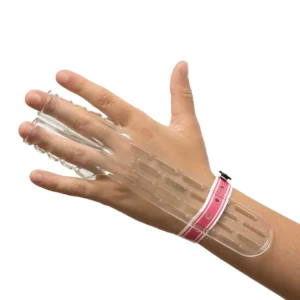 TGuard AeroFinger
Original price was: $69.80.$49.80Current price is: $49.80.
TGuard AeroFinger
Original price was: $69.80.$49.80Current price is: $49.80.
Save 29% -
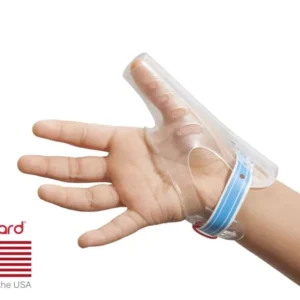 TGuard AeroThumb
Original price was: $69.80.$49.80Current price is: $49.80.
TGuard AeroThumb
Original price was: $69.80.$49.80Current price is: $49.80.
Save 29%