

Toddlers do not yet have the language skills to explain what they feel, so their emotions show up through actions instead. As routines shift or new experiences arise, these behaviors can become more frequent or intense.
Paying attention to these patterns helps parents understand what their child may be trying to communicate and when they need extra support. Below, we’ve explained how stress in toddlers manifests through habits so you can spot the signs.
Repetitive Self-Soothing Behaviors
Stress can lead to repetitive actions that help toddlers calm themselves. These behaviors may include hair twirling, rubbing a blanket, or rocking back and forth. While these actions may seem harmless at first, they can signal that your child is relying heavily on external habits instead of developing internal coping skills. When these patterns become consistent, they may limit opportunities for emotional growth.
Changes in Sleep-Related Habits
Sleep often reflects a toddler’s emotional state, and stress can quickly disrupt normal routines. A child who once fell asleep easily may begin to struggle at bedtime or wake more often during the night. Some toddlers return to habits like thumb sucking to help settle themselves, especially when they feel overwhelmed or overtired.
Poor sleep may affect mood, attention, and behavior, making it harder for toddlers to regulate emotions. As the cycle continues, stress and sleep challenges can reinforce each other, which makes early support especially important.
Regression to Earlier Habits
Regression is another way stress manifests in toddlers through habits—some children revert to behaviors they had already outgrown. This regression can include increased clinginess, renewed interest in pacifiers, or a return to thumb sucking.
Generally, regression behaviors appear during major transitions, such as moving, welcoming a new sibling, or changes in routine. While reversion is a normal response to childhood stress, ongoing habits can affect both emotional development and physical health.
Increased Thumb or Finger Sucking
Many toddlers turn to thumb or finger sucking when they feel overwhelmed. This habit provides a sense of comfort and control, especially during stressful situations like starting daycare, changes at home, or separation from caregivers. You may notice the behavior happening more often or lasting longer than usual. This is problematic because frequent sucking can affect tooth alignment and oral development, making early awareness important.
Stop Thumb-Sucking
Breaking the thumb-sucking habit starts with understanding why it continues. When stress drives the behavior, support and consistency matter more than pressure or punishment. Parents can guide their child toward healthier coping strategies while reducing reliance on sucking for comfort.
Gentle solutions, like thumb sucking gloves, remove the suction that makes the habit reinforcing without causing distress. With the right approach, families can protect oral development and help their children build stronger, more independent ways to self-soothe.
Products
-
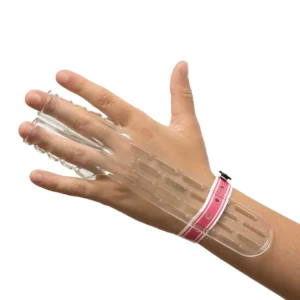 TGuard AeroFinger
Original price was: $69.80.$49.80Current price is: $49.80.
TGuard AeroFinger
Original price was: $69.80.$49.80Current price is: $49.80.
Save 29% -
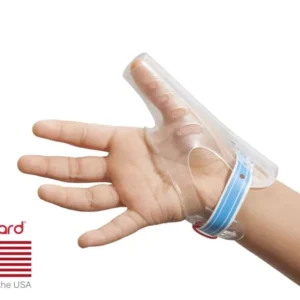 TGuard AeroThumb
Original price was: $69.80.$49.80Current price is: $49.80.
TGuard AeroThumb
Original price was: $69.80.$49.80Current price is: $49.80.
Save 29%