

Parents often watch closely for every milestone, and tooth eruption ranks high on that list. When teeth do not appear on the expected timeline, it can quickly raise concern. Some children seem to follow the charts exactly, while others take their time, leaving parents unsure what is normal.
Tooth development does not follow a strict schedule, but patterns still matter. When delays happen alongside habits like thumb sucking or changes in oral development, they may signal a need for closer attention. This guide explains tooth eruption delays and what parents need to know.
Why Tooth Eruption Timelines Vary
Every child develops at their own pace, and teeth follow that same pattern. Some babies get their first tooth as early as four months, while others may not see one until closer to their first birthday. This range often falls within normal limits, so timing alone does not define a problem. Parents should focus more on overall growth and consistency rather than comparing timelines with other children.
Genetics also plays a leading role in how quickly teeth emerge. If parents experienced delayed eruption as children, their child may follow a similar pattern. This connection helps explain many cases where no other concerns exist. Recognizing this can ease unnecessary worry and keep attention on meaningful signs instead.
When a Delay May Need Attention
While variation is common, there comes a point at which a delay warrants a closer look. If no teeth appear by 12 to 15 months, parents should consider speaking with a pediatric dentist. At that stage, professionals evaluate patterns rather than focusing on a single missing milestone. More specifically, they assess gum development, jaw growth, and spacing to determine whether intervention is needed.
Delays that appear alongside other developmental concerns require closer evaluation. If a child struggles to chew solid foods, avoids certain textures, or shows limited jaw movement, those signs may indicate oral development issues affecting tooth eruption. Addressing these concerns early helps determine whether the delay stems from structure, habit, or overall development.
The Connection Between Thumb Sucking and Tooth Development
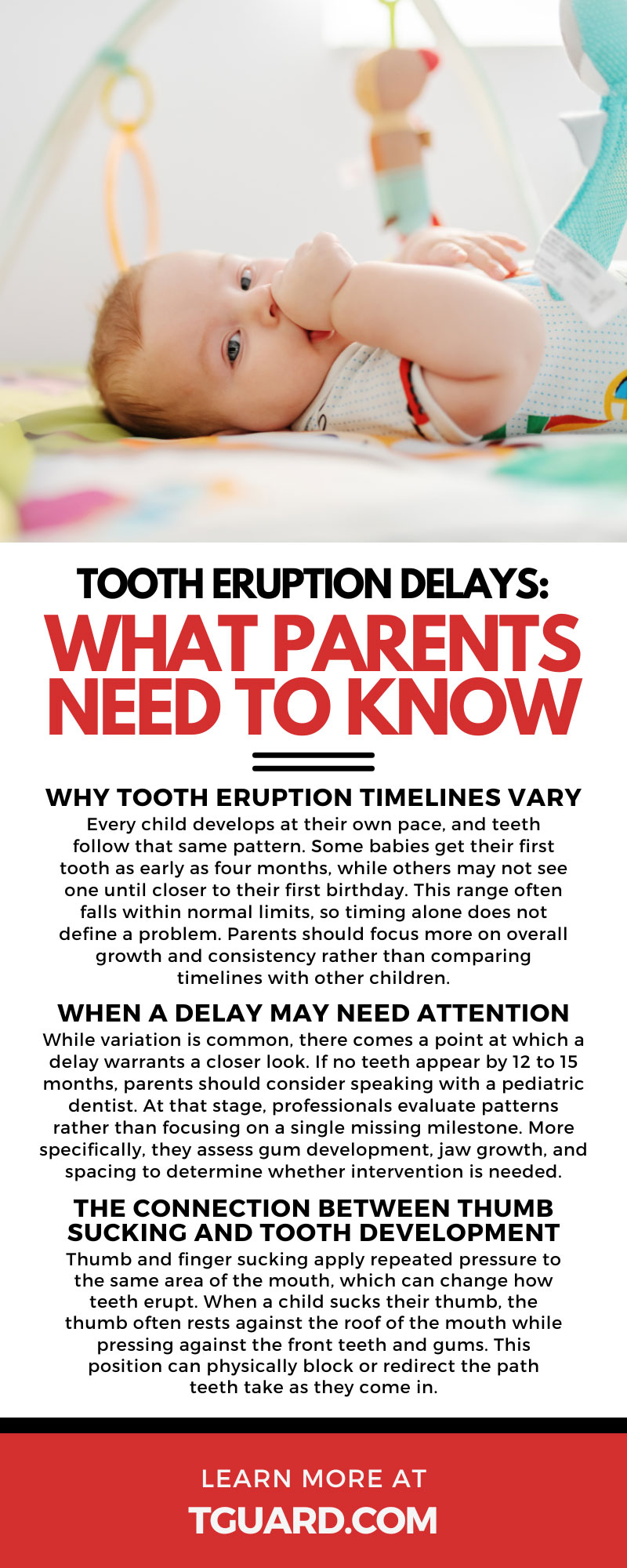
Thumb and finger sucking apply repeated pressure to the same area of the mouth, which can change how teeth erupt. When a child sucks their thumb, the thumb often rests against the roof of the mouth while pressing against the front teeth and gums. This position can physically block or redirect the path teeth take as they come in.
Over time, this pressure can lead to specific issues, including delayed eruption of front teeth, teeth coming in at an angle, or gaps forming between teeth. The longer and more frequently a child sucks their thumb—especially during sleep—the more consistent that pressure becomes. When a delay already exists, this habit can make eruption patterns more irregular and harder to correct later.
Signs Teeth Are Developing Beneath the Surface
Even when teeth have not appeared, the body often shows signs that development continues. Parents may notice subtle changes that signal movement below the gums, even before a tooth becomes visible.
Common signs include the following:
- Swollen or tender gums
- Increased drooling throughout the day
- A stronger urge to chew on toys or fingers
- Mild irritability, especially during teething periods
These signs indicate that teeth are moving beneath the surface, even if they have not yet broken through. Paying attention to these signals helps parents avoid unnecessary concern while staying aware of their child’s progress.
Development does not always follow a visible timeline, but these changes confirm that it continues. This awareness allows parents to stay patient while remaining observant.
Long-Term Effects of Delayed Tooth Eruption
Delayed tooth eruption can change how teeth come in, not just when they appear. When teeth erupt late, nearby teeth may shift into the open space, which can block the proper path for incoming teeth. This often leads to crowding, overlapping teeth, or front teeth that push forward instead of aligning correctly.
These changes can also affect how the upper and lower teeth meet. For example, delayed front teeth combined with thumb sucking can lead to an open bite, where the front teeth do not touch when the mouth closes. Once these patterns form, they often require orthodontic treatment to correct. Identifying delays early and addressing contributing habits helps prevent these alignment issues from becoming permanent.
What Pediatric Dentists Look For
Another thing parents need to know about tooth eruption delay is how pediatric dentists evaluate the “issue.” These experts check whether teeth are present and look at how the mouth is developing overall. If teeth come in late, they examine whether there is enough space in the jaw for those teeth to erupt properly. Limited space can signal that teeth may come in crowded or misaligned once they do appear.
A pediatric dentist will also assess the order of eruption. For example, if back teeth begin to emerge before the front teeth, this may indicate an irregular pattern that requires monitoring.
Additionally, dentists will check the gums for thickness or resistance that could slow eruption and may use X-rays to confirm whether teeth are present beneath the surface. They also look closely at thumb sucking habits, especially if they see early signs of flaring front teeth or changes in the shape of the upper palate.
When To Take Action as a Parent
Parents should not wait for multiple issues to appear before taking action. If a delay persists and a thumb-sucking habit persists, early steps can make a meaningful difference. Addressing both at the same time helps prevent compounding effects that become harder to correct later.
Here are practical steps parents can take:
- Monitor for early teething signs even without visible teeth
- Track timelines without comparing to other children
- Address thumb or finger sucking habits early
- Support proper nutrition with calcium and vitamin D
- Schedule a dental visit if no teeth appear by 12–15 months
Why Breaking the Habit Matters Early
Thumb sucking may seem harmless in the early stages, but it can quickly affect oral development if it continues. The longer the habit lasts, the more it affects both eruption timing and alignment. Parents who understand how to break a thumb sucker can reduce these risks before they become long-term concerns.
Early intervention works best because it prevents habits from becoming deeply ingrained. When children rely on sucking for comfort, replacing that behavior with healthier alternatives supports both emotional and physical development. This shift plays a key role in improving how teeth emerge and align.
Help Your Child
TGuard thumb sucking guards work by removing the suction that makes the habit comforting, without using punishment or negative reinforcement. The breathable design allows children to wear it comfortably while still preventing the thumb from creating that sealing effect in the mouth. Addressing both the habit and any early delays gives parents a clearer path toward healthier tooth development moving forward.
Products
-
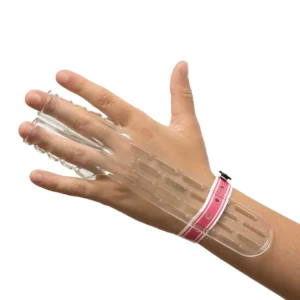 TGuard AeroFinger
Original price was: $69.80.$49.80Current price is: $49.80.
TGuard AeroFinger
Original price was: $69.80.$49.80Current price is: $49.80.
Save 29% -
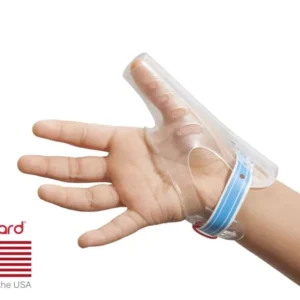 TGuard AeroThumb
Original price was: $69.80.$49.80Current price is: $49.80.
TGuard AeroThumb
Original price was: $69.80.$49.80Current price is: $49.80.
Save 29%