

Bedtime can bring up big feelings for young children. A quiet room may make them notice stress that felt easier to ignore during the day. When a child reaches for a familiar comfort habit, the brain often looks for the fastest path back to calm.
Thumb sucking can become part of that bedtime pattern because it gives the brain a clear signal that sleep feels near. Over time, that signal can feel harder to change because the child connects the habit with safety. Parents can respond more effectively when they understand what happens in the brain during self-soothing at bedtime.
The Nervous System and the Body’s Calm Response
The nervous system helps the body shift between alert and calm. During the day, children often move through noise and activity without much time to settle. At bedtime, the body needs to slow down enough for sleep to happen.
Self-soothing can support that shift when the child uses a safe comfort routine. The body begins to feel less on edge as the brain receives a steady calming signal. A child may breathe more slowly and move less once the routine feels familiar.
Thumb sucking can fit into this response because it gives the body a repeated sensory cue. The problem starts when the child relies on that cue as the only way to settle. Parents can help by replacing the habit with another calming signal that still gives the nervous system structure.
Dopamine and the Brain’s Reward System
Dopamine helps the brain recognize behaviors that feel rewarding. When a child sucks their thumb at bedtime and feels relief, the brain pays attention to that result. The comfort may not seem dramatic from the outside, but the brain can still treat it as something worth repeating.
This matters because the brain starts to expect the same action before sleep. A child may not think through the habit or decide to do it on purpose. The brain remembers that thumb sucking helped before, so it pushes the child toward it again.
That reward pattern helps explain what happens in the brain during self-soothing at bedtime early in the night. The child feels tired, the brain wants comfort, and the habit offers a familiar shortcut.

Stress Hormones and Bedtime Comfort
Stress can make bedtime habits stronger since cortisol directly affects sleep and wakefulness. When children feel overtired or anxious, their brains look for relief quickly. A familiar habit can feel more powerful during stressful moments because the child wants comfort before choosing another response.
Stress hormones can also make a child more resistant to change. For example, if a parent removes thumb sucking without a replacement plan, the child may feel more upset at bedtime. The brain loses an expected comfort signal, so the body may respond with more frustration.
Emotional Regulation Before Sleep
Emotional regulation means a child can settle feelings enough to rest. Young children still need adult support as they build this skill. They may understand that it’s time for bed, but their bodies may still struggle to calm down.
Self-soothing gives children a way to manage that transition. When thumb sucking becomes the main tool, the child may have fewer chances to practice other calming skills. The goal should not involve shame or pressure because those reactions can make bedtime feel more stressful.
Parents can teach new skills during calm moments earlier in the day. A child has an easier time practicing a bedtime strategy before they feel exhausted. This gives the brain a chance to learn the new response without the pressure of falling asleep right away.
When Comfort Turns Into Dependence
Comfort habits do not always create a problem. Many children use soothing behaviors for a period of time and then move away from them as they mature. Parents may need to pay closer attention when the habit starts to control bedtime.
Thumb sucking can become a concern when a child cannot fall asleep without it. It may also become harder to address when the child grows upset each time a parent redirects the behavior. In those moments, the habit has moved beyond simple comfort and started to shape the sleep routine.
Parents should also consider the possible effects on oral development. Ongoing thumb sucking can influence how the teeth and palate develop as a child grows. Early action can help parents address the habit before the pattern becomes more difficult to change.

Spot Unhealthy Coping Skills
Some bedtime habits look harmless at first because they help the child calm down quickly, and concern grows when the child cannot settle any other way. Here are several ways to spot unhealthy self-soothing:
The Habit Happens Automatically
Automatic habits can frustrate parents because reminders may only work for a moment. A child may stop briefly, then resume thumb sucking because the brain reverts to the familiar pattern before the child chooses a new response.
The Child Struggles Without It
A strong reaction can show that thumb sucking feels emotionally important. If a child cannot settle without it, the brain may treat the habit as necessary for comfort, meaning the child needs a replacement rather than just a rule.
The Behavior Affects Sleep or Development
Parents should pay closer attention when thumb sucking affects sleep or development. The habit can make it harder for a child to settle at night, and continued pressure on the mouth may affect growing teeth or speech.
How To Build Bedtime Calm
A child’s brain responds best to consistency at bedtime. When children know what to expect each night, they can relax more easily and rely less on thumb sucking to feel secure. The following strategies can help children build a healthier bedtime calm.
Create a Predictable Routine
A predictable routine helps the brain understand that sleep comes next. When the same pattern happens each night, the child does not have to work as hard to settle. Parents should keep the routine simple enough to repeat, because consistency matters more than adding extra steps.
Replace the Habit With a Healthier Comfort Cue
Replacing the habit works better than simply removing it because the brain still needs a way to calm down before sleep. A new comfort cue gives the child another signal to connect with safety. Parents should practice that cue before bedtime feels stressful, so the child knows what to do when the urge returns.
Stay Consistent During Setbacks
Even after progress, the brain may return to thumb sucking because it remembers the habit as a fast way to calm down. Parents should respond consistently and guide the child back to the replacement cue so that the new pattern continues to strengthen.
End Thumb Sucking
If thumb sucking has become part of your child’s bedtime routine, TGuard can help you take a gentle next step. Our thumb-sucking glove supports habit change without negative reinforcement, so your child can build healthier comfort with your guidance.
Helping a child move beyond thumb sucking is a process, not a single bedtime decision. With encouragement and a consistent routine, parents can help their child develop healthy ways to feel calm before sleep.
Products
-
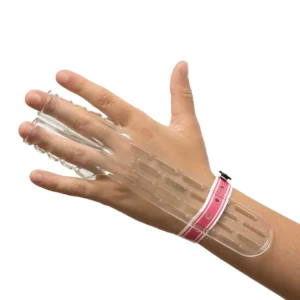 TGuard AeroFinger
Original price was: $69.80.$49.80Current price is: $49.80.
TGuard AeroFinger
Original price was: $69.80.$49.80Current price is: $49.80.
Save 29% -
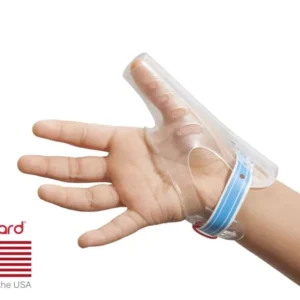 TGuard AeroThumb
Original price was: $69.80.$49.80Current price is: $49.80.
TGuard AeroThumb
Original price was: $69.80.$49.80Current price is: $49.80.
Save 29%

