

Thumb sucking is a common habit for many children, often providing comfort and security. While this behavior typically starts as a harmless phase, the style of thumb sucking can alter its impact on a child’s oral development.
There are two main types of thumb sucking: aggressive and passive, and parents should know the different effects of both. Below, we’ve explained both behaviors and how they can impact your child’s development.
Aggressive Thumb Sucking and Its Effects
Aggressive thumb sucking involves frequent and intense sucking that places significant pressure on the teeth and mouth. Children who are aggressive thumb suckers often exhibit deep, loud suction noises and forceful jaw movements. They may also push their thumb hard against their teeth or the roof of their mouth.
In untreated cases, aggressive thumb sucking can result in:
- Misaligned teeth: Teeth may shift out of their natural position.
- Overbite: Upper front teeth protrude over the lower teeth.
- Crossbite: Upper teeth sit inside the lower teeth.
- Open bite: Front teeth don’t meet when the mouth is closed.
This habit can also alter the shape of the palate over time, potentially creating speech difficulties.
Parent Tip
Aggressive habits often persist beyond the toddler years, which increases the risk of long-term dental problems. To prevent this, consult your child’s dentist on different ways to stop thumb suckingto help your child learn healthier coping skills.
Passive Thumb Sucking and Its Effects
Passive thumb sucking is a gentler form of thumb sucking, typically used for self-soothing purposes. For example, a child might rest their thumb in their mouth with minimal pressure, often when they’re relaxed, tired, or about to fall asleep. Generally, the sucking motion is light in passive thumb suckers so that you won’t see the same level of intensity or jaw movement seen with aggressive suckers.
This type of habit rarely causes dental problems. The lack of forceful pressure means it’s less likely to move teeth out of alignment or alter the palate’s shape. Likewise, most children naturally outgrow passive thumb sucking without requiring any intervention, and it rarely affects speech development. This form of the habit is generally considered a harmless part of early childhood.
Parent Tip
While passive thumb sucking doesn’t typically cause issues, you should still keep an eye on it and ensure it doesn’t become aggressive thumb sucking. If your child begins to rely on this behavior, you should intervene as soon as possible.
Which Is Worse?
When comparing the different effects of aggressive and passive thumb sucking, the former poses a bigger threat to a child’s dental health. The severity of its impact depends on how often, how intensely, and for how long the child sucks their thumb. Children who apply strong pressure for many hours each day face a higher risk of developing orthodontic issues.
Pediatric dentists can guide aggressive thumb suckers early, providing strategies to help them stop the habit before it causes lasting problems. With awareness and early guidance, you can help your child break habits that may affect their teeth while supporting their comfort and confidence.
Products
-
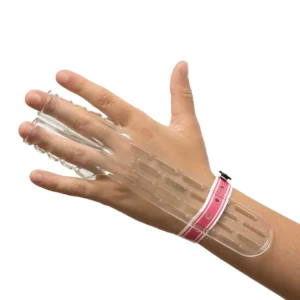 TGuard AeroFinger
Original price was: $69.80.$49.80Current price is: $49.80.
TGuard AeroFinger
Original price was: $69.80.$49.80Current price is: $49.80.
Save 29% -
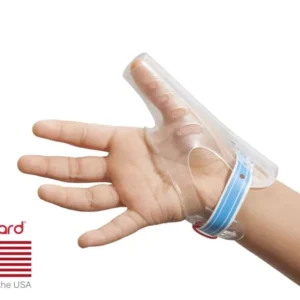 TGuard AeroThumb
Original price was: $69.80.$49.80Current price is: $49.80.
TGuard AeroThumb
Original price was: $69.80.$49.80Current price is: $49.80.
Save 29%


