

You’re sitting on the couch at home, and you glance over at your child. Their thumb is in their mouth again, eyes glazed over as they stare at the television. You’ve likely noticed this pattern before during car rides, quiet moments at home, or times when they seem to have nothing else to do. One of the things you may ask yourself is whether your child sucks their thumb due to boredom.
Thumb sucking is one of those habits that starts innocently enough. Babies do it for comfort, toddlers continue it as a self-soothing mechanism, and some kids carry it into their preschool years without much thought. By early childhood, it can cross the line from a harmless habit to one that warrants attention. Let’s explore how boredom relates to thumb sucking as well as other causes.
What’s the Link Between Boredom and Thumb Sucking?
When your child has nothing to occupy their hands or mind, thumb sucking often fills the gap. It’s a form of self-stimulation that kicks in during moments of under-engagement. Think about it: adults fidget with their hair, tap their feet, or scroll through their phones when they’re bored. When kids become bored, they default to what feels familiar and comforting, and thumb sucking is the perfect option.
Typically, repetitive behaviors spike during low stimulation. For example, when your child sits in the backseat of the car or waits for their sibling’s soccer practice to end, they may not have much to do. Our brains constantly crave input, and during childhood, this can result in thumb sucking for the following reasons:
- It releases feel-good hormones
- It keeps their hands busy
- It provides a sense of control
Pay close attention to what’s going on when your child sucks their thumb. If your child tends to suck their thumb mostly during downtime, like when watching TV, waiting in line, or zoning out after school, boredom is likely a contributing factor. The habit becomes an automatic, go-to response when there’s nothing else demanding their attention.
What Are Other Reasons Kids Suck Their Thumbs?
Boredom isn’t the only reason kids continue thumb sucking, and the behavior often begins as a natural one. Thumb sucking serves multiple purposes, and understanding them helps you address the behavior more effectively.
Comfort
Comfort and self-soothing top the list. When kids feel anxious, tired, or overwhelmed, they turn to familiar actions that calm them down. A thumb in the mouth offers immediate relief, much like a favorite blanket or stuffed animal.
Big Changes
Emotional or developmental transitions can also trigger an increase in thumb sucking. Starting daycare, adjusting to a new sibling, or moving to a new home all create stress, and kids cope by returning to behaviors that feel safe and familiar.
Sleep
Sleep association plays a significant role, and thumb sucking can become a part of your child’s bedtime routine. Since the habit releases comfort hormones—endorphins, dopamine, and oxytocin—the body naturally relaxes.
Hunger
Often, babies will suck their thumbs when they are hungry. This is because sucking stimulates the release of hormones that can help regulate appetite and hunger cues; it also signals to caregivers that it’s feeding time. As children grow older, they may continue to suck their thumbs out of habit or as a means of self-comfort during times of stress or boredom.
Oral Stimulation
Children are naturally curious about their bodies and often use oral stimulation as a way to explore their environment. Thumb sucking can be an extension of this natural curiosity, providing sensory input that is calming and soothing.
When Should You Worry About Thumb Sucking?
Most kids naturally stop sucking their thumbs between the ages of four and five years old. By this age, their social awareness increases. They become more engaged with activities that require both hands, and peer influence starts to matter. However, some children continue the habit well past this point, which is where dental and emotional issues can arise.
Some of the effects of thumb sucking include:
- Misaligned Teeth: Dentists often notice an overbite or changes in how the upper and lower teeth meet
- Speech Problems: The habit can interfere with tongue placement as well as the shape of the jaw and palate
- Social Discomfort: Older kids might face teasing from classmates, which can hurt their self-esteem and make them feel embarrassed
How Can You Break the Habit?
Knowing how to break a thumb sucker comes down to relying on the right techniques and working with your child. The approaches that work great for one child may not be ideal for another, so experiment.
Use Positive Reinforcement
Breaking the thumb-sucking habit requires patience, consistency, and lots of positive reinforcement. Shaming or punishing your child won’t work and can backfire by increasing anxiety, which often makes thumb sucking worse. Instead, focus on gentle strategies that empower your child to make the change independently.
Likewise, reward charts can be very effective. Give your child a sticker each day they avoid thumb sucking, and they can use their stickers to receive a small prize or special activity. This shifts the focus from what they shouldn’t do to what they’re doing well.
Distract With Engaging Activities
Distraction works wonders, especially during times when boredom triggers the habit. Keep their hands busy with fidget toys, art supplies, or sensory play items, such as Play-Doh or kinetic sand.
If boredom is a major trigger, tackle it by offering engaging activities throughout the day. Interactive games, outdoor play, and hands-on projects provide alternative ways to keep your child engaged and occupied. For tricky moments like car rides or waiting rooms, pack a bag with books, small toys, or snacks to help keep their mind off thumb sucking.
Try Gradual Weaning
Gradually weaning your child off thumb sucking may also help. Instead of stopping cold turkey, limit thumb sucking to specific times, such as only at bedtime. Once your child adjusts to this boundary, work toward eliminating it.
Keep in mind that nighttime thumb sucking is often the most difficult to break, as it occurs unconsciously. Be patient, as this might be the final step in the process.
Seek Professional Help When Needed
Most children naturally outgrow thumb sucking, but some don’t, so you may have to work with a pediatric dentist or child therapist. While your child’s dentist may suggest specific approaches, such as TGuard’s thumb sucking glove, a behavioral therapist can also provide tailored strategies based on your child’s needs.
How To Move Forward
Boredom creates ideal conditions for thumb sucking, but it’s rarely the sole culprit. Comfort, stress relief, sleep associations, and ingrained routines all play a role. The good news is that with patience and the right strategies, you can help your child move past this phase without making it a source of conflict or shame.
Keep your child engaged by offering plenty of opportunities for hands-on play and celebrating their progress along the way. Most kids naturally leave thumb sucking behind as they grow, but your encouragement and understanding will make the journey easier. If you’re concerned about dental or emotional impacts, reach out to a professional who can guide you through the next steps. You’ve got this, and so does your child!

Products
-
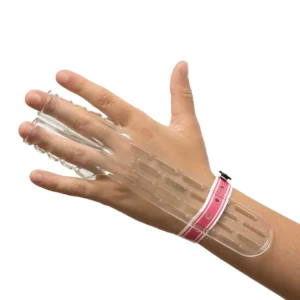 TGuard AeroFinger
Original price was: $69.80.$49.80Current price is: $49.80.
TGuard AeroFinger
Original price was: $69.80.$49.80Current price is: $49.80.
Save 29% -
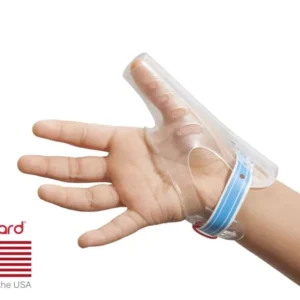 TGuard AeroThumb
Original price was: $69.80.$49.80Current price is: $49.80.
TGuard AeroThumb
Original price was: $69.80.$49.80Current price is: $49.80.
Save 29%