

Many children develop small comfort habits early in life. Thumb sucking, pacifiers, or even tongue positioning can seem harmless at first, especially during infancy and toddler years. However, the mouth and jaw grow rapidly during childhood, and repeated pressure from certain habits can gradually influence that development. This article explains how oral habits affect a child’s smile over time, so you can recognize when your little one needs help.
Thumb Sucking
Thumb sucking places steady pressure on the upper front teeth and the roof of the mouth. Each time a child sucks their thumb, the thumb pushes the front teeth forward while the palate adjusts to that pressure.
As this habit continues, the upper teeth may begin to tilt outward. Some children develop an open bite, in which the front teeth no longer meet when the mouth closes. The upper jaw can also narrow, which may affect how the teeth align as more adult teeth come in.
Finger Sucking
Some children suck two or more fingers instead of just a thumb. When multiple fingers rest in the mouth, they spread pressure across a wider area of the front teeth and palate. That pressure can push several teeth forward at the same time. Over time, this shift can create spacing problems and change how the upper and lower teeth fit together when the mouth closes.
Pacifier Overuse
Pacifiers often soothe babies and young toddlers, but long-term use can negatively influence dental development. When a child keeps a pacifier in their mouth for long periods, the constant suction places pressure on the front teeth and palate.
Dentists often see similar bite changes in children who use pacifiers for several years. Open bites and crossbites may begin to form as the mouth adapts to the repeated pressure.
Tongue Thrusting
Tongue thrusting is another oral habit that affects a child’s smile over time by influencing both tooth position and jaw development. This behavior occurs when a child presses their tongue against the front teeth while swallowing or resting their mouth. That repeated motion puts pressure on the body every day. When tongue thrusting persists, it can gradually push the front teeth forward and prevent them from touching properly.
Other Oral Behaviors That Can Affect Development
Not every oral habit involves sucking. Some behaviors place repeated pressure on the teeth or influence how the mouth rests during the day and night. When these habits continue for long periods, they can gradually affect how teeth shift and how the jaw develops.
Some habits may not seem obvious but still influence dental growth when they happen consistently. Some examples of oral behaviors include the following:
- Frequent chewing on objects such as pencils or toys
- Long-term bottle or sippy cup use
- Mouth breathing during rest or sleep
- Nail biting that places pressure on the front teeth
When Parents Should Pay Attention
Understanding these habits helps parents recognize how everyday behaviors influence oral development. When families address habits early, they often reduce the side effects of thumb sucking and support healthier smile development as children grow.
Parents who notice changes in tooth position, bite alignment, or speech patterns may want to speak with a pediatric dentist. By working with your child and their dentist, you can prevent long-term impacts on your little one’s smile.
Products
-
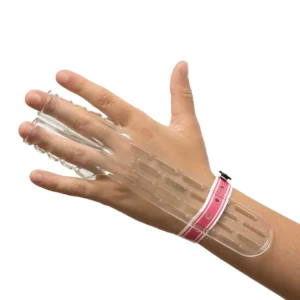 TGuard AeroFinger
Original price was: $69.80.$49.80Current price is: $49.80.
TGuard AeroFinger
Original price was: $69.80.$49.80Current price is: $49.80.
Save 29% -
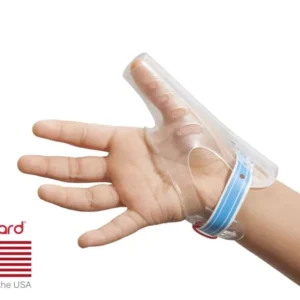 TGuard AeroThumb
Original price was: $69.80.$49.80Current price is: $49.80.
TGuard AeroThumb
Original price was: $69.80.$49.80Current price is: $49.80.
Save 29%