

Thumb-sucking is a natural reflex for infants and young children, but when it persists past age three or four, it can cause serious problems with developing teeth and jaws. Parents often notice changes such as protruding front teeth or an open bite, where the top and bottom teeth don’t meet properly. Recognizing these signs early gives you the best chance to address orthodontic care to correct thumb-sucking-related issues before they become more complicated.
Assess Things Early and Identify Problems
Catching thumb-sucking problems early makes treatment straightforward and effective. Your child’s dentist can spot warning signs such as an overbite, a narrow upper jaw, or changes in the roof of the mouth during routine checkups.
If your child sucks their thumb, schedule an appointment with their dentist to discuss it; they can evaluate your child’s bite and address any concerns. The dentist may recommend you monitor your child’s habit or refer you to an orthodontist for a closer look at potential issues.
Parent Tip
Many of the serious side effects of thumb sucking surface between ages three and six, when intervention is most effective. The quicker you catch the problem, the easier it will be to reverse its effects.
Rely on Behavioral Strategies
Many children respond well to gentle encouragement and positive reinforcement when it’s time to break the thumb-sucking habit. You can praise your child when they go extended periods without sucking their thumb or offer small rewards for progress.
Some parents find success with reminder bandages on their child’s thumb or engaging them in activities that keep both hands busy. The goal isn’t punishment but helping your child become aware of the habit so they can work on stopping it themselves.
Use Habit-Breaking Appliances
When behavioral methods don’t work, orthodontists can fit your child with a habit-breaking appliance that makes thumb-sucking uncomfortable or less satisfying. While some devices attach inside of your child’s mouth, they’re often ineffective because they rely on negative reinforcement; these tools are often uncomfortable and do not address the root cause of thumb sucking.
It’s best to use devices like a thumb-sucking glove since they’re “neutral” in terms of reinforcement. The glove slides over your child’s thumb and has small slits in the side to prevent the suction sensation from sucking. In turn, children naturally lose interest in the habit.
Correct Teeth Alignment Issues
After your child stops thumb-sucking, orthodontic care to correct the related issues often involves braces or clear aligners to fix misalignment. Braces usually work well when correcting bite problems that developed over years of thumb-sucking. Some professionals also use clear aligners for older children with less severe alignment issues.
Treatment with braces and clear aligners can take anywhere from 12 to 24 months, depending on your child’s oral issues. In severe cases, your child may require surgery to correct their jaw or palate.
Give It Time
Breaking the thumb-sucking habit and addressing its effects on your child’s teeth takes patience and the right professional guidance. Early intervention gives your child the best chance for healthy teeth alignment and proper jaw development. Working with a dentist or orthodontist ensures you create a treatment plan tailored to your child’s specific needs. Set your child up for a confident smile that lasts a lifetime.
Products
-
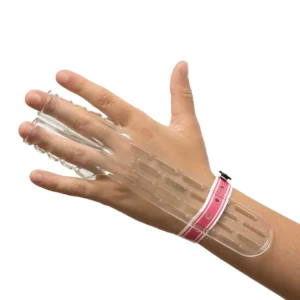 TGuard AeroFinger
Original price was: $69.80.$49.80Current price is: $49.80.
TGuard AeroFinger
Original price was: $69.80.$49.80Current price is: $49.80.
Save 29% -
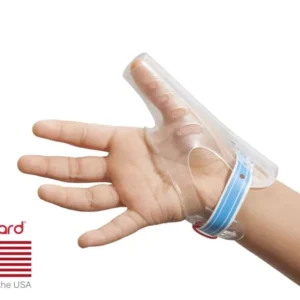 TGuard AeroThumb
Original price was: $69.80.$49.80Current price is: $49.80.
TGuard AeroThumb
Original price was: $69.80.$49.80Current price is: $49.80.
Save 29%

