

Many parents focus on teeth when they think about thumb sucking. They picture braces, bite changes, and crooked smiles. Fewer parents think about sleep, breathing, or learning patterns, which raises an important question about what research says about thumb sucking and brain development. When the habit continues beyond the toddler years, it can influence growth in ways that extend beyond the mouth.
A Natural Self-Soothing Reflex
At birth, babies have a strong sucking reflex that helps them feed and regulate stress, which explains why many infants turn to their thumbs when they feel tired, overwhelmed, or bored. In early childhood, this natural behavior serves as a built-in calming mechanism rather than a cause for concern.
Stanford Medicine explains that thumb-sucking is a natural behaviorin infancy through early toddlerhood; it often fades naturally between ages two and four, especially when parents avoid shame-based reactions and instead offer gentle guidance. During these early years, the habit rarely interferes with development.
The Issues with the Behavior
Concerns arise when the behavior persists after growth patterns begin to solidify. Constant thumb pressure can gradually narrow the upper jaw and raise the palate, reducing available airway space and setting the stage for breathing changes.
Mouth Breathing and Focus
Nasal breathing supports efficient oxygen exchange and helps regulate airflow during sleep, while mouth breathing can reduce that efficiency and contribute to fragmented rest. Over time, inconsistent oxygen delivery during deep sleep can affect how refreshed a child feels in the morning and how well they concentrate throughout the day.
Thumb sucking can reshape the palate, and those changes can narrow the airway. A narrowed airway often leads to mouth breathing, which can interfere with sleep quality. When sleep becomes fragmented or shallow, attention span, impulse control, and mood stability often decline.
Parents should watch for patterns that suggest breathing or sleep disruption:
- Persistent mouth breathing during the day
- Snoring or restless movement at night
- Difficulty concentrating in school
- Irritability or unusual fatigue
These signs do not confirm a serious disorder, but they can signal that breathing patterns deserve attention before long-term habits settle in.
Speech and Developmental Impact
Proper tongue posture plays a central role in speech clarity and oral development. When the palate narrows, the tongue often rests lower in the mouth rather than pressing gently against the roof, which can affect articulation and sound production.
Children with altered tongue positioning may develop lisps or struggle with certain consonant sounds, especially as speech becomes more complex in preschool and early elementary years. While speech differences do not reflect intelligence, they can affect classroom participation and peer interaction.
Moreover, language development supports reading readiness, comprehension, and social confidence. When a child hesitates to speak or feels self-conscious about their word pronunciation, that hesitation can limit practice and engagement, both of which strengthen neural pathways connected to communication.
Emotional and Social Effects
Thumb sucking often begins as a coping response during stress, transitions, or fatigue. When a child continues to rely on that habit beyond the early toddlerhood, they may miss opportunities to practice alternative calming strategies that build emotional resilience.
As children grow older, their awareness of social differences increases and peer opinions begin to matter more. A visible thumb-sucking habit in school-age years can draw attention or teasing, which may affect confidence during an important stage of emotional development.
When embarrassment or self-consciousness becomes chronic, stress levels often rise and emotional regulation becomes more difficult. Early guidance helps children replace the habit with healthier coping skills that support independence instead of limiting it.
Airway and Sleep Disruption
The roof of a child’s mouth remains soft and pliable during the early years, making it especially responsive to repeated pressure. When the palate narrows and arches higher, airflow through the nose becomes more restricted, and children often compensate by breathing through their mouths.
Mouth breathing may seem minor during the day, but it can disrupt nighttime breathing patterns and limit the depth of restorative sleep. WebMD notes that prolonged thumb sucking can affect teeth alignment, particularly when the habit continues after permanent teeth begin to emerge.
Sleep fuels attention, emotional regulation, and memory consolidation. When a child experiences restless sleep, shallow breathing, or frequent waking, the brain cannot cycle through its full restorative stages, which can influence daytime behavior and learning capacity.
When Parents Should Act
Most children stop thumb sucking naturally by age four, especially when parents respond with encouragement instead of criticism. If the habit continues beyond that point or begins to influence speech, sleep, or dental alignment, parents should take a closer look with their child’s dentist.
Pay attention to the warning signs we’ve listed below:
- Bite changes
- Persistent mouth breathing
- Restless sleep
- Speech clarity concerns
- Frequent daytime fatigue
Early action protects both structure and function. Addressing the habit before permanent teeth settle and breathing patterns solidify makes change easier and reduces long-term complications.
Tips To End Thumb Sucking
Understanding what research says about thumb sucking and brain development, helps you develop a plan to end the behavior. Breaking the habit requires consistency, patience, and clear expectations. Children respond best when parents focus on support rather than punishment and guide them toward healthier alternatives.
Identify Habit Triggers
Observe when thumb sucking appears most often, whether during bedtime routines, screen time, or moments of stress. When you understand the pattern, you can intervene at the right time and replace the routine with a healthier option.
For example, if your child struggles you could, offer a stuffed animal at bedtime, introduce a calming pre-sleep ritual, or redirect their hands toward a quiet activity during boredom. Replacing the context proves more effective than simply demanding the behavior stop.
Build Healthy Coping Skills
Children need practical tools to manage stress in healthy ways. Parents can guide that process by teaching simple breathing exercises, encouraging children to name their feelings, and modeling calm responses during challenging moments. As children practice these strategies consistently, they begin to rely less on physical habits for comfort.
Confidence develops when children recognize that they can calm themselves without thumb sucking. Over time, those coping skills strengthen emotional regulation and support greater independence.
Use Positive Reinforcement
Set realistic goals and track progress visually so children can see their improvement. Celebrate small milestones with praise or simple rewards that reinforce effort rather than perfection.
Encouragement builds motivation. Consistent support helps children stay engaged in the process without feeling shamed.
Consider Physical Support
Some children struggle to stop despite reminders and encouragement because the suction sensation is addictive and reinforces the habit. In those cases, a gentle physical reminder that prevents suction can interrupt the reward cycle without creating fear or discomfort.
Looking at the Bigger Picture
Thumb sucking begins as a normal reflex, but prolonged pressure can influence airway structure, sleep quality, speech clarity, and emotional growth. Parents who understand their child’s thumb sucking habit can approach the habit with clarity instead of fear.
No evidence suggests that thumb sucking directly damages the brain. The concern lies in the side effects of thumb sucking which can impact health, sleep, communication, and confidence. When parents act early, they protect more than a smile.
If your child continues the habit beyond toddlerhood, consider taking proactive steps now. Addressing the issue early helps prevent ongoing health concerns and supports healthy development at every stage.

Products
-
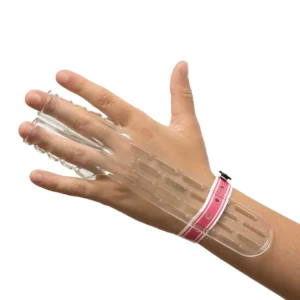 TGuard AeroFinger
Original price was: $69.80.$49.80Current price is: $49.80.
TGuard AeroFinger
Original price was: $69.80.$49.80Current price is: $49.80.
Save 29% -
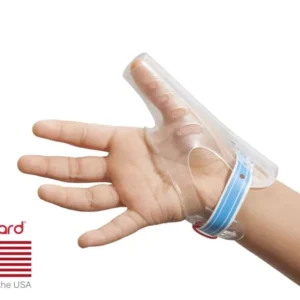 TGuard AeroThumb
Original price was: $69.80.$49.80Current price is: $49.80.
TGuard AeroThumb
Original price was: $69.80.$49.80Current price is: $49.80.
Save 29%