
It can be a surprising and sometimes frustrating moment for parents: you place a thumb-sucking prevention device on your child’s favorite thumb, and within hours, they’ve started sucking the opposite thumb.
If this has happened to you, take a deep breath. You are not alone. This behavior, known as hand switching or cross-sucking, is perfectly normal and extremely common. In fact, our experience shows that approximately 50% of children who use an AeroThumb will temporarily exhibit this exact behavior.
Understanding why your child switches hands is the key to successfully navigating this common phase.
Why Do Children Switch Hands?
Thumb-sucking is not just a random movement; it is a powerful self-soothing mechanism. When a physical barrier like a thumb guard is introduced, the child’s brain instinctively looks for a workaround to maintain their sense of comfort.
The Power of Neurotransmitters
As we’ve discussed in our guide to why kids suck their thumbs, the act of thumb-sucking triggers the release of feel-good chemicals in the brain, such as dopamine and serotonin. These neurotransmitters create a sense of euphoria and tranquility. When the primary thumb is “blocked” by a TGuard, the child still craves that neurological reward. Sucking the opposite thumb is the brain’s attempt to restore those calming chemical levels.
Bilateral Motor Memory
Children don’t just “learn” to suck one thumb; they develop the motor coordination for the sucking reflex on both sides of their body. Even if they have a “favorite” hand, the motor memory for the action exists for the other thumb as well. When AeroThumb prevents the primary thumb from providing the usual satisfaction, the child’s muscle memory naturally shifts to the available “backup.”
Adaptive Problem Solving
Children are remarkably resourceful. If they encounter an obstacle (the thumb guard) that prevents them from reaching their goal (self-soothing), they will experiment with new ways to achieve it. This trial-and-error process often leads them directly to the opposite hand.
Why Do Children Switch Hands?
Absolutely not. In fact, hand switching is actually a sign that TGuard is doing its job.
The AeroThumb works by breaking the suction and eliminating the pleasure of the habit. Because the child can no longer get that “reward” from their primary thumb, they are forced to look elsewhere. This proves that the device is successfully disrupting the old habit loop. Hand switching is simply a temporary detour on the road to a habit-free life.
How to Manage Hand Switching Successfully
If your child begins sucking their “backup” thumb, here is how you can respond:
- Wait and Observe: Some children will only try the other thumb for a day or two before realizing it doesn’t provide the same comfort level as their original habit, and they may stop on their own.
- Redirect and Reassure: Use positive reinforcement. Gently remind them why they are wearing a thumb guard and encourage them to use a transition object, like a favorite stuffed animal or a soft blanket for comfort instead.
- The “Double Guard” Strategy: If the hand switching persists for more than 48 hours, it is a sign that the habit is deeply ingrained. In these cases, we recommend using a second AeroThumb on the opposite hand. By covering both thumbs simultaneously, you remove all options for the habit to take root elsewhere, leading to a much faster and more permanent result.
Taking the Final Step Toward Success
Breaking a habit is no small feat. It requires consistency, the right tools, and an understanding of your child’s developmental needs.
If your child is a “switcher,” don’t be discouraged. It is a normal part of the process for 1 in 2 children. By staying consistent—and adding a second device if necessary—you are protecting your child’s future dental health and helping them develop healthy new ways to find comfort.
Products
-
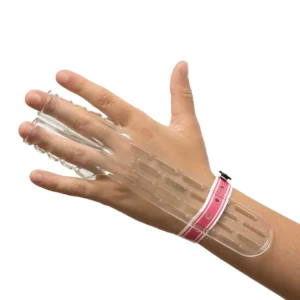 TGuard AeroFinger
Original price was: $69.80.$49.80Current price is: $49.80.
TGuard AeroFinger
Original price was: $69.80.$49.80Current price is: $49.80.
Save 29% -
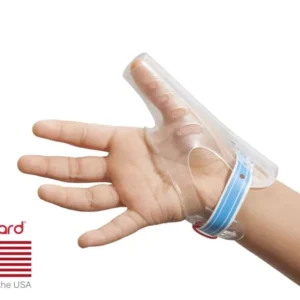 TGuard AeroThumb
Original price was: $69.80.$49.80Current price is: $49.80.
TGuard AeroThumb
Original price was: $69.80.$49.80Current price is: $49.80.
Save 29%