

While thumb sucking is a natural self-soothing reflex during infancy, problems often arise as a child approaches late toddlerhood or early childhood, particularly as the jaw takes shape and adult teeth begin to grow. This habit can lead to various problems, including habit dependence, misaligned dental growth, weakened immunity, and even an increased risk of Obstructive Sleep Apnea (OSA) in children. Read on as we detail the primary ways thumb sucking impacts your child’s sleep, jaw development, and overall health.
The Primary Ways Thumb Sucking Causes Sleep Disruptions and Health Issues
Habit Resilience and Nighttime Thumb Sucking
Although thumb sucking starts as a normal self-soothing mechanism, some kids struggle to drop the habit; sucking on a thumb, finger, or pacifier releases good hormones (endorphins), and that sensation can become addictive.
If a child sucks their thumb before falling asleep, the brain can form a connection between the two, leading to a reliance on the habit to fall asleep. The longer this habit persists, the more difficult it becomes to stop thumb sucking.
Thumb Sucking and the Potential Risk of Sleep Apnea
The Mayo Clinic defines obstructive sleep apnea (OSA) as pauses in breathing while asleep, forcing the body to work harder to resume normal breathing and moving a person from deep to light sleep.
The constant pressure that thumb sucking puts on the jaw and palate can lead to potential sleep apnea in children by altering the palate, leading to jaw misalignment, poor tongue position, and narrowing of the airways. All of these factors increase the chance of mouth breathing, making it more likely for the tongue to fall back and obstruct the airway.
When childhood sleep apnea goes untreated, it can lead to several issues:
- Persistent bed wetting and a tendency towards other age regressive behaviors
- Poor concentration, impaired learning ability, and a tendency towards ADHD-like behaviors
- Daytime fatigue, irritability, and aggression
- Reduced growth patterns and cardiovascular strain
The Daytime Consequences of Nighttime Thumb Sucking
When thumb sucking impacts breathing and sleep, the effects often persist after the child wakes up, leading to larger behavioral and cognitive impacts.
Untreated sleep disruptions in children often manifest as:
- Behavioral challenges such as irritability, aggression, or difficulty focusing due to exhaustion.
- Cognitive struggles like poor concentration, memory issues, and difficulty keeping up in school.
- Disrupted physical growth due to impaired cell turnover and growth hormone release.
- Weakened immune health due to reduced cytokine production leads to more frequent illness and slower recovery.
Take Action Early to Prevent Thumb Sucking Sleep Disruption
Benefits of Early Habit Intervention
The earlier you intervene with your child’s thumb sucking, the easier it is to help your child develop healthy sleep habits and reduce the negative side effects of sucking their thumb. Additionally, the quicker you take action, the easier it is to break nighttime thumb sucking habits.
We recommend consulting with a medical professional, such as a pediatrician, dentist, or orthodontist to gauge the impact of your child’s nighttime sucking and recommend a holistic treatment plan.
Gentle Redirection and Positive Reinforcement
Many children respond well to gentle redirection, such as offering an alternative comfort like a stuffed animal or blanket to hold as they fall asleep. Additionally, since thumb sucking is a self-soothing method, relaxation techniques like peaceful music, mindful breathing, and a bedtime story can help reduce underlying stress.Positive reinforcement methods like behavioral charts and encouraging messages can also motivate children to stop thumb sucking.
Effective Tools to Stop Thumb Sucking
Paired with expert guidance and positive reinforcement, a non-invasive solution, such as a thumb-sucking glove, is a great choice. TGuard’s AeroThumb is made from medical-grade plastic and fits comfortably over your child’s thumb to gently discourage thumb sucking by removing the pleasurable suction sensation.
Nighttime Thumb Sucking and Sleep Disruptions FAQ
When should I be worried about my child’s thumb sucking affecting their sleep?
You should monitor your child’s thumb sucking and consider intervention if the habit persists past age four. Key warning signs include habit dependence on their thumb, visible dental changes, and signs of sleep disruptions.
Can thumb sucking cause sleep apnea in children?
While thumb sucking does not directly cause sleep apnea, the constant pressure on the jaw and palate during development can lead to tongue and upper jaw misalignment. These structural changes increase the likelihood of a child developing or exacerbating childhood sleep apnea due to obstructed airways.
What is the best way to help my child break their thumb sucking habit at night?
The best ways to stop nighttime thumb sucking are positive reinforcement, gentle redirection, and employing a non-invasive tool such as the TGuard AeroThumb.
What are the consequences of my child sucking their thumb at night?
Persistent nighttime thumb sucking can have several impacts on a child’s health. First, nighttime sucking can lead to a child becoming dependent on the habit of falling asleep and experiencing fragmented sleep. Prolonged nighttime thumb sucking can also compromise airways and breathing patterns, even leading to Obstructive Sleep Apnea (OSA). Additionally, nighttime thumb sucking can impact the immune system by introducing pathogens and hindering the production of vital cytokines to fight infection. When a child faces chronic sleep impairment, they may struggle to focus, become more irritable, and fall behind academically.
Sources
“Pediatric obstructive sleep apnea – Symptoms and causes.” Mayo Clinic, 6 November 2024, https://www.mayoclinic.org/diseases-conditions/pediatric-sleep-apnea/symptoms-causes/syc-20376196. Accessed 2 February 2026.
Products
-
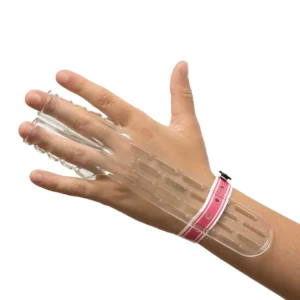 TGuard AeroFinger
Original price was: $69.80.$49.80Current price is: $49.80.
TGuard AeroFinger
Original price was: $69.80.$49.80Current price is: $49.80.
Save 29% -
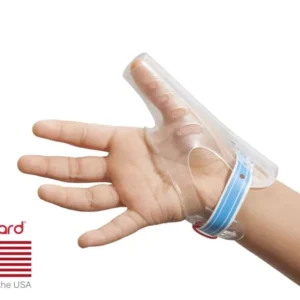 TGuard AeroThumb
Original price was: $69.80.$49.80Current price is: $49.80.
TGuard AeroThumb
Original price was: $69.80.$49.80Current price is: $49.80.
Save 29%