

Finger sucking often starts as a natural way for young children to self-soothe, especially during sleep or stressful moments. While it may initially seem harmless, the habit can cause lasting changes in a child’s oral development if it persists. The finger’s position and repeated motion apply pressure to the teeth and the shape of the mouth. Understanding why finger sucking can lead to crooked teeth helps parents recognize when it’s time to intervene.
Constant Pressure Alters Tooth Alignment
Sucking applies steady pressure to the front teeth every time a child puts their thumb or finger in their mouth. Over time, this pressure pushes teeth forward and out of their natural position.
As permanent teeth begin to come in, they may follow this altered path rather than aligning correctly. This shift can lead to noticeable spacing issues and an uneven smile that does not correct on its own.
Changes to Jaw and Palate Development
The habit does more than move teeth; it can reshape the roof of the mouth. A finger resting against the palate for long periods can cause the palate to become higher and narrower.
If the jaw becomes too narrow, it reduces the space available for teeth to grow in properly and increases the chance of crowding. When the jaw develops this way, children often need orthodontic treatment later to create enough space for proper alignment.
Disruption of Bite Alignment (Malocclusion)
Finger sucking can also lead to crooked teeth by altering your child’s natural bite. Sucking on a finger or a pacifier for extended periods places the mouth in an unnatural position, impacting jaw development.
Over time, the teeth begin to adjust around that position instead of aligning naturally, which can lead to bite issues that do not correct on their own. This can lead to several bite issues, including the following:
- An open bite, where the front teeth do not touch
- Overbite, where the top teeth extend too far forward
- Crossbite, where teeth do not align side to side
These changes can make chewing less efficient and may even affect speech patterns. In some cases, children may also develop tongue placement issues, which can further reinforce improper bite alignment and complicate correction later in life.
How To Help Your Child Break the Habit
Parents can take simple, supportive steps to help their child stop finger sucking before it causes lasting damage. Acting early can reduce the risk of long-term thumb sucking results and support healthy dental development as your child grows.
Start by talking calmly about the habit and avoid using shame or punishment, since it can make the behavior worse. Products such as a thumb or finger guard can also help interrupt the physical habit without creating stress for the child. Most importantly, remember that consistency and encouragement go a long way, especially when children feel supported rather than corrected.
Products
-
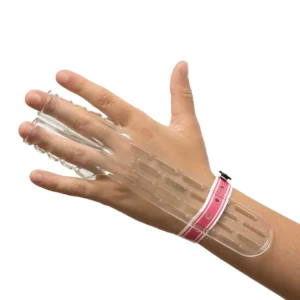 TGuard AeroFinger
Original price was: $69.80.$49.80Current price is: $49.80.
TGuard AeroFinger
Original price was: $69.80.$49.80Current price is: $49.80.
Save 29% -
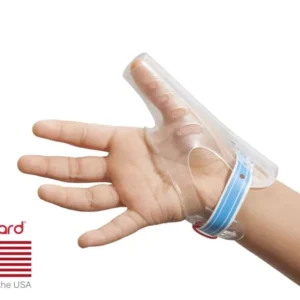 TGuard AeroThumb
Original price was: $69.80.$49.80Current price is: $49.80.
TGuard AeroThumb
Original price was: $69.80.$49.80Current price is: $49.80.
Save 29%


