

Children need steady support as they learn how to manage stress, frustration, fear, and disappointment. When they do not have the right tools, they may lean harder on comfort habits like thumb or finger sucking. Parents can guide children toward better responses by teaching simple skills that feel safe and easy. Use our tips for building healthy coping skills in children.
Help Your Child Name the Feeling
Children often act before they understand what they feel. You can slow the moment down by saying, “You seem upset,” or “That felt frustrating.” This gives your child words for the emotion and helps them connect the feeling to the behavior.
Once a child can name the emotion, guide them toward a specific next step, such as taking a breath, asking for help, or moving to a quieter space. This matters because your child may use thumb sucking or another comfort habit when they feel tired, nervous, bored, or overwhelmed.
Teach One Coping Skill at a Time
Another tip for helping your child build healthy coping skills is to focus on one skill at a time. While you may want to introduce several coping strategies at once, children usually learn better when they can focus on one clear thing. Instead, start with one simple skill, such as slow breathing or asking for help, and practice it during calm moments.
Focusing on one healthy habit gives your child a clear starting point and makes the process feel less overwhelming. With repeated practice, your child can begin to recognize when that tool may help, whether they feel frustrated, worried, tired, or overstimulated.
Practice Healthy Responses Together
Children learn coping skills faster when parents practice with them. You can sit beside your child, take a few slow breaths, and talk through the next step. This turns coping into a shared routine instead of a lecture. Try a few simple options and choose the ones your child responds to best:
- Take three slow belly breaths
- Draw a picture of the feeling
- Hold a favorite stuffed animal
- Ask for a quiet break
- Use words like, “I need help”
Create a Calm Plan for Hard Moments
A coping plan gives children a clear path when they feel overwhelmed. You can choose a quiet place, a short phrase, and one calming activity before the next stressful moment happens. This helps your child know what to do instead of constantly relying on the same habit.
A coping plan works best when it feels easy for your child to remember and follow. You can choose one calming activity, one quiet place, and one short phrase your child can use when emotions start to build. Keeping the plan simple reduces frustration and gives your child a familiar routine to return to when they need comfort, direction, and support.
Why It Matters
Healthy coping skills can help children handle big emotions without depending on thumb or finger sucking for comfort. After all, one of the best ways to stop thumb sucking is to give your child healthier coping skills. Kids need practical tools, patient guidance, and a steady routine to replace the habit with healthier choices. With consistent support, your child can build confidence in new coping tools one small step at a time.
Products
-
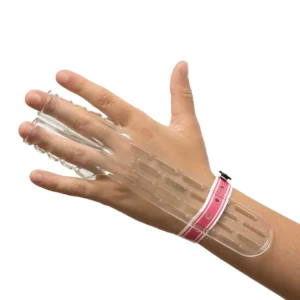 TGuard AeroFinger
Original price was: $69.80.$49.80Current price is: $49.80.
TGuard AeroFinger
Original price was: $69.80.$49.80Current price is: $49.80.
Save 29% -
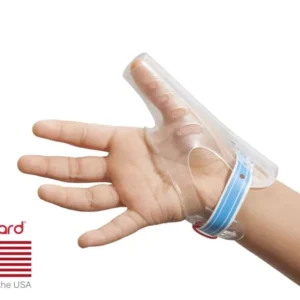 TGuard AeroThumb
Original price was: $69.80.$49.80Current price is: $49.80.
TGuard AeroThumb
Original price was: $69.80.$49.80Current price is: $49.80.
Save 29%


