

While thumb sucking is a natural comfort mechanism for infants, most experts agree that thumb sucking should stop without intervention between the ages of 2 and 4. For many parents, watching a child navigate these developmental phases can be puzzling. However, understanding when this habit “outstays its welcome” is crucial for long-term dental health. Below, we explore the milestones for stopping and how you can support your child through the transition.
When Does Thumb Sucking End?
All children are different, but most quit sucking their thumbs between the ages of 2 and 4 years old. This is partly because by toddlerhood, most children have developed better verbal skills and know how to go to their caregivers when they need support. Children also exhibit better emotional regulation, making it easier for them to calm themselves through alternative methods.
When Should Parents Intervene With Thumb Sucking?
Knowing when thumb sucking should stop without intervention helps parents know when they need to act. If your child consistently sucks their thumb or finger beyond the age of 4, talk to their dentist and pediatrician.
Risks of Prolonged Thumb Sucking
When thumb sucking persists past the age of 4, several issues can arise including:
- Dental Alignment: The constant pressure of the thumb can shift the position of teeth leading to open bite and other dental issues. These issues may require orthodontic treatment, such as braces, later in childhood.
- Speech Impediments: Prolonged thumb sucking affects the way the tongue interacts with the teeth and roof of the mouth, potentially leading to the development of a lisp.
- Changes in Jaw Shape: Persistent thumb sucking can narrow the palate and upper jaw, impacting the nasal passages and leading mouth breathing.
- Social and Emotional Distress: Thumb sucking can impact children’s self-esteem and confidence, especially if it persists when they enter school.
- Increased Sickness: When thumb sucking persists, it presents more opportunities for children to become sick as their hands transmit germs.
- Skin and Nail Bed Harm: Thumb sucking creates a warm, moist environment that can irritate the skin
How Do You Stop a Thumb-Sucking Habit?
Positive reinforcement and consistency are two of the most effective ways to stop thumb sucking in children. Identify specific triggers to address the underlying needs that thumb sucking fulfills for your child. Stress, fatigue, hunger, or boredom often prompt thumb-sucking episodes, so you can intervene by addressing these root causes directly.
Additionally, you could create reward systems that acknowledge periods when your child keeps their thumb out of their mouth, focusing on success rather than failures. Gentle reminders and praise for alternative behaviors help children develop awareness of their habits without creating shame or anxiety.
Every child’s journey is unique, and with patience and understanding, they’ll outgrow habits like thumb sucking in their own time. Trust the process, celebrate small victories, and remember that with your support and encouragement, they navigate these early stages of growth and self-discovery.
TGuard AeroThumb: A Gentle Way to Stop Thumb Sucking
Our thumb guard is designed to help children transition away from thumb sucking without undue stress and discomfort.
- Breaks the suction: TGuard targets the root of thumb sucking habits by interrupting the suction sensation that makes the habit pleasurable.
- Safe and comfortable: Made from medical-grade flexible plastic, our thumb guard allows children to retain movement while dissuading the habit.
- Proven effectiveness: For more than 20 years, TGuard has helped parents and children stop the thumb sucking habit cycle.
Thumb Sucking Age & Developmental Stages FAQ
At what age does thumb sucking become a problem?
While thumb sucking can be part of normal childhood development, most children will stop this habit by the age of 2-4. If thumb sucking habits persist they can lead to dental misalignment, impacts to speech development, and other health issues.
Will my child’s teeth correct if they stop thumb sucking?
If thumb sucking habits are quickly addressed before the age of 4-5 years old permanent dental changes are unlikely, however if these habits are not stopped larger misalignments can arise. This is why gently deterring this habit with effective methods like thumb guards and behavior charts is crucial.
Is it normal for kids to suck their thumb?
Yes, thumb sucking is a completely normal and natural self-soothing reflex for infants and toddlers. It often begins in the womb and helps young children feel secure, relax, or fall asleep. According to the American Dental Association (ADA), most children stop the habit on their own between the ages of 2 and 4 without any long-term alterations to their jaw or teeth.
When should I intervene with my child’s thumb sucking?
You should generally consider intervention if the habit continues past age 4, or if you notice physical changes to your child’s bite or speech at any age. While many children quit naturally, intervention is recommended if the sucking is “vigorous”—where the child creates significant suction—as this is more likely to cause dental displacement than passive thumb holding. If your child is nearing school age and shows no signs of stopping, a consultation with a pediatric dentist can help determine if a habit-breaking appliance or behavioral strategy is necessary.
Why won’t my child stop sucking their thumb?
Most children struggle to stop thumb sucking because it is a deeply ingrained self-soothing mechanism. It isn’t just a “bad habit”; it’s a tool they use to regulate their emotions, cope with stress, or fall asleep. Children may continue sucking their thumb due to:
- Anxiety or Stress: Changes in routine, like a new school or a new sibling, can trigger the need for comfort.
- Boredom: When their hands aren’t busy, they may default to the habit subconsciously.
- Physical Exhaustion: Many children use thumb sucking as a “sleep cue” to help their bodies wind down.
- Sensory Input: For some, the physical sensation provides a sense of security and “home” that is difficult to replace.
Products
-
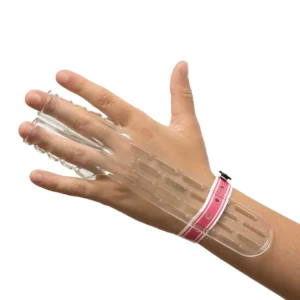 TGuard AeroFinger
Original price was: $69.80.$49.80Current price is: $49.80.
TGuard AeroFinger
Original price was: $69.80.$49.80Current price is: $49.80.
Save 29% -
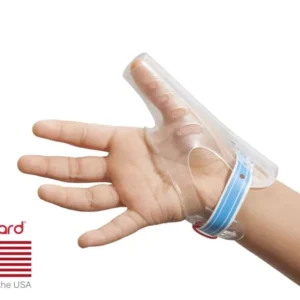 TGuard AeroThumb
Original price was: $69.80.$49.80Current price is: $49.80.
TGuard AeroThumb
Original price was: $69.80.$49.80Current price is: $49.80.
Save 29%

