

While thumb-sucking is a common soothing habit in infancy and early childhood, it can sometimes reappear later in life. Post-traumatic stress disorder (PTSD) can affect anyone who has experienced a traumatic event, including children. When children struggle to process trauma, they may revert to earlier coping behaviors such as thumb-sucking, bedwetting, or baby talk.
How Trauma and Stress Trigger Regression
Developmental regression is common in children experiencing PTSD. Child victims of physical or sexual abuse, children who have witnessed violence, and children who are grieving the loss of a parent or grandparent may display signs of developmental regression.
PTSD in Children: Signs to Watch for
There are several signs that parents should monitor their child for if they suspect possible PTSD, including:
- Regressing to earlier behaviors such as thumb-sucking or bedwetting
- Difficulty sleeping, nightmares, or wanting to sleep in their parent’s room
- Changes in speech patterns such as baby talk, quieter speech, or mutism
- Increased clinginess or sudden withdrawal
- Complaints of stomachaches or headaches without medical cause
- Difficulty concentrating at school
- Avoidance of certain places, people, objects, or situations
While these are common signs of PTSD in children, it is wise to consult with a doctor as a child may show an atypical presentation of PTSD or require additional screening to diagnose.
How is Thumb Sucking Related to PTSD
Sometimes when children experience PTSD they regress to earlier behaviors such as bedwetting, thumb sucking, and baby talk as a way to cope with their stress.
Thumb-sucking, in particular, is a self-soothing response that allows children to feel safe, grounded, and in control when their emotions feel overwhelming.
Diagnosing PTSD in Children
While PTSD in children can cause thumb sucking, remember that thumb sucking doesn’t necessarily mean a child is experiencing PTSD. For a PTSD diagnosis, there must have been a traumatic event. The symptoms of PTSD must occur for a month or more and negatively affect the child’s daily life.
Diagnosing PTSD in children can be difficult as victims of trauma often want to avoid talking about their experiences. Additionally, children experiencing PTSD are often misdiagnosed with ADHD or learning difficulties. If a child is displaying multiple symptoms related to PTSD, seeing a child psychiatrist who can draw out what is bothering the child is critical to a proper diagnosis.
Helping a Child Overcome Thumb Sucking from PTSD
Children who suck their thumbs, either as a form of regression due to PTSD or simply as a comforting habit, risk dental deformation and blisters on their thumbs, which can become infected. Parents should learn strategies to help break thumb-sucking habits and work with mental health professionals to determine whether a child is sucking their thumb due to PTSD.
Gentle Support Strategies
It’s important not to push a child who is experiencing PTSD. There are many ways to effectively and gently help your child through their difficulties:
- Listen and acknowledge your child’s feelings without criticizing or belittling them
- Limit exposure to news and other stressful inputs
- Participate in relaxation activities with your child, such as reading a book, playing, going outside, or doing crafts
- Learn to recognize and avoid words, places, smells, or other triggers that upset your child
Treating Thumb Sucking
While parents should focus on treating the underlying PTSD and stress responses that have driven their child to thumb sucking, separate intervention may be required to stop this habit.
Many find success with positive reinforcement, behavior charts with prize incentives, and gentle devices like the TGuard AeroThumb and AeroFinger. By combining these techniques with effective PTSD treatment, parents can help their child work through these conditions.
When to Seek Professional Guidance
With professional help and treatment, a child experiencing PTSD can learn to manage their feelings and resist allowing their trauma to define or limit their lives. They can move on to grow into happy, well-adjusted adults with the strength to break the hold of traumatic events and triggers.
Childhood PTSD and Thumb Sucking FAQ
Is thumb sucking always a sign of trauma?
No. Thumb-sucking is a common self-soothing behavior, especially in infants and young children. Many children continue the habit during periods of stress, boredom, or fatigue without any underlying trauma. In most cases, thumb-sucking is simply a comforting habit and not an indication that something is wrong.
However, when thumb-sucking reappears after a child has already outgrown the habit or becomes more frequent and intense, it may signal emotional distress or regression. In these cases, it can be helpful to look at the broader picture of the child’s behavior and overall emotional health.
How do I know if thumb sucking is related to PTSD?
Thumb-sucking may be linked to PTSD when:
- The behavior returns suddenly after a stressful or traumatic event
- It is accompanied by other PTSD symptoms, such as nightmares, increased clinginess, avoidance, irritability, or regressions in speech or toilet training
- The child seems to suck their thumb when anxious, overwhelmed, or triggered by reminders of the trauma
- The behavior is persistent and difficult to redirect, even in comforting environments
How should I help my child if they’re sucking their thumb due to PTSD?
If you notice multiple signs of emotional distress, or if the child’s thumb-sucking appears to be driven by fear, anxiety, or overwhelm rather than simple comfort, it’s important to seek support from a pediatric mental health professional for a proper evaluation. A trained therapist can help determine whether the behavior is part of a broader trauma response or simply a coping habit that needs gentle redirection.
Treatment often includes:
- Trauma-focused therapy: Approaches such as Trauma-Focused Cognitive Behavioral Therapy (TF-CBT) or play therapy help children process overwhelming feelings in developmentally appropriate ways.
- Developing alternative coping strategies: Therapists may teach children calming techniques such as deep breathing, grounding exercises, and sensory tools as healthy ways to self-soothe.
- Parental guidance and coaching: Parents learn how to respond to triggers, reduce stress in the home environment, and support emotional healing without shaming or pressuring the child.
- Addressing lifestyle and routine stability: Predictable routines, gentle transitions, and consistent emotional support can help reduce anxiety and reduce reliance on self-soothing behaviors like thumb-sucking.
It’s important to remember that the goal is not simply to stop the thumb-sucking, but to understand why the behavior is happening and to support the emotional needs driving it.
Sources:
“Posttraumatic Stress Disorder (PTSD) in Children” from Cedars Sinai
“Posttraumatic Stress Disorder in Children” from the University of Rochester Medical Center
Products
-
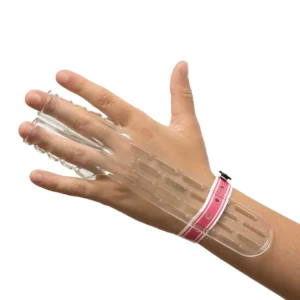 TGuard AeroFinger
Original price was: $69.80.$49.80Current price is: $49.80.
TGuard AeroFinger
Original price was: $69.80.$49.80Current price is: $49.80.
Save 29% -
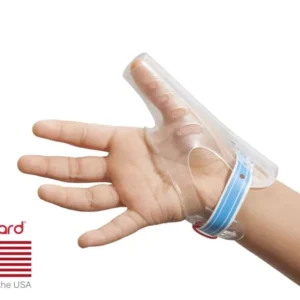 TGuard AeroThumb
Original price was: $69.80.$49.80Current price is: $49.80.
TGuard AeroThumb
Original price was: $69.80.$49.80Current price is: $49.80.
Save 29%