

Sleep habits can change quickly with young children, and a child who settles easily at night may suddenly start waking more often or needing extra comfort. During these disrupted periods, parents may also notice thumb sucking, finger sucking, pacifier use, or other familiar soothing behaviors becoming more frequent. If you’re trying to address oral comfort habits caused by sleep regression, it can be difficult to know whether to intervene right away or let the sleep disruption pass. Understanding why these behaviors may increase and how to respond consistently can make nighttime changes easier to navigate.
Why Sleep Regression Triggers Oral Habits
“Sleep regression” refers to a temporary period when a child who had been sleeping well begins to wake more often, resist bedtime, or struggle to settle. During these disruptions, children may rely more heavily on familiar self-soothing behaviors, including thumb or finger sucking, especially when they’re tired or upset. Because these habits can have a calming effect, a child may return to them more often while their sleep pattern is unsettled.
Sleep disruptions may be influenced by:
- developmental changes
- changes in daily routines
- new or unfamiliar surroundings
- shifting sleep needs
- difficulty settling at bedtime
Recognizing Sleep-Related Oral Comfort Habits
Before trying to manage oral comfort habits caused by sleep regression, look closely at when the behavior appears and whether its frequency has changed. One child may suck their thumb only when falling asleep, while another may begin doing so during night wakings or quiet periods throughout the day. Identifying that pattern gives parents a clearer basis for deciding how to respond.
Signs that oral comfort habits are becoming more frequent may include:
- more frequent thumb sucking at bedtime
- finger sucking during night wakings
- increased reliance on a pacifier
- chewing or sucking on blankets
- returning to a habit that had decreased
- using the behavior more often when tired
A short-term increase in sucking doesn’t automatically become a lasting habit, but repeated use can strengthen the association between the behavior and sleep. If a child sucks a thumb or finger every time they wake, that behavior may gradually become part of the process of falling back asleep. Over time, it can continue even after the original sleep disruption has improved.
Build a Consistent Bedtime Routine

During sleep disruptions, a predictable routine can give children clear signals that bedtime is approaching. A regular nighttime sequence may include brushing teeth, reading, and going to bed at a consistent time. Repeating the same general routine each night can reduce some of the uncertainty surrounding the transition to sleep.
Try to keep bedtime activities in a similar sequence each night so your child knows what comes next. A predictable pattern may also make it easier for children to transition from activity to rest. Keep the routine simple enough that it can still work on busy or difficult evenings. The goal is to make bedtime feel reassuring without relying on thumb or finger sucking as part of the sleep routine.
Adjust Gradually When Needed
If your child’s current bedtime routine depends heavily on thumb or finger sucking, changing everything at once may create more resistance. Start by keeping the overall routine familiar while gradually strengthening other sleep cues. Small changes can make the transition less abrupt.
Offer Other Ways to Self-Soothe
Taking away a familiar comfort behavior without considering why a child relies on it can make bedtime more difficult. Instead, parents can introduce other calm, predictable ways to wind down while keeping expectations consistent. The most useful alternatives are age-appropriate and fit naturally into the family’s existing bedtime routine.
Parents can introduce calming bedtime practices such as:
- reading a familiar bedtime story
- offering a reassuring goodnight hug
- providing a favorite stuffed animal
- playing quiet music
- practicing slow breathing together
- using the same calming bedtime phrase
Redirect Thumb Sucking Without Pressure

When a child is ready to reduce thumb or finger sucking, calm and consistent responses are more constructive than criticism or punishment. Positive reinforcement can keep the focus on progress, especially when a child chooses another way to settle or goes for a period without sucking. For parents wondering how to break finger sucking, an FDA-listed finger cover can be one option to consider when the habit persists. The goal is to guide the child away from the habit without making bedtime feel tense or confrontational.
Use Brief, Neutral Reminders
Keep reminders short and matter-of-fact when the behavior occurs. Repeated scolding or lengthy discussions can give the habit more attention than necessary and make bedtime more stressful. A simple, consistent reminder is often easier for a child to understand and respond to.
Reinforce Progress Positively
Notice when your child uses another way to settle or spends time without sucking their thumb or finger. Praise can reinforce the behavior you want to encourage without making mistakes feel like failures. Keep the focus on small, realistic improvements rather than expecting the habit to disappear all at once.
Keep Your Response Consistent
Decide ahead of time how you’ll respond so the message doesn’t change from one night to the next. Consistency gives children clearer expectations and can reduce repeated negotiations around bedtime. Avoid language that causes embarrassment or shame, and keep the emphasis on building a new routine.
Use a Finger Guard Correctly
A finger guard should be used according to the product’s instructions and fitted securely so it stays in place without causing unnecessary discomfort. Check the fit regularly and make sure the child’s skin remains comfortable during use. For best results, use the guard consistently during the times when finger sucking is most likely to occur, such as bedtime or quiet periods. Pairing the guard with calm reminders and positive reinforcement can make it part of a broader effort to reduce the habit.
Sleep disruptions can bring familiar comfort behaviors back to the surface, but an increase in sucking doesn’t automatically mean a long-term habit is developing. Watch for patterns, keep bedtime predictable, introduce other calming options, and respond without criticism or pressure. If thumb or finger sucking continues as a child gets older, a pediatric dentist can assess whether it’s affecting oral development. Keeping your response consistent can make the transition easier for your child and reduce uncertainty around how to handle the habit.
Products
-
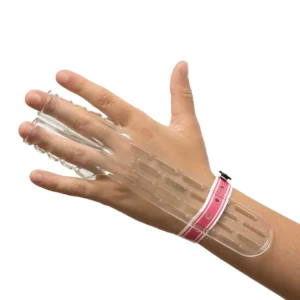 TGuard AeroFinger
Original price was: $69.80.$49.80Current price is: $49.80.
TGuard AeroFinger
Original price was: $69.80.$49.80Current price is: $49.80.
Save 29% -
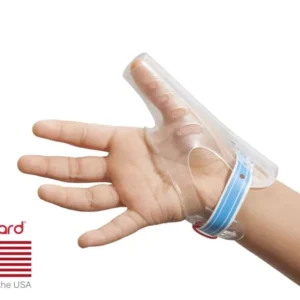 TGuard AeroThumb
Original price was: $69.80.$49.80Current price is: $49.80.
TGuard AeroThumb
Original price was: $69.80.$49.80Current price is: $49.80.
Save 29%