

Stressful behaviors can worry parents because they often surface at times when a child is already feeling stretched. A child may repeat a habit because it brings comfort, gives their body something familiar to do, or helps them get through a hard part of the day. Parents may see the behavior as something to stop, but children often need a new coping tool before they can let go of an old one. This guide explains how to help kids replace stressful behaviors.
Identify the Trigger Before You Redirect
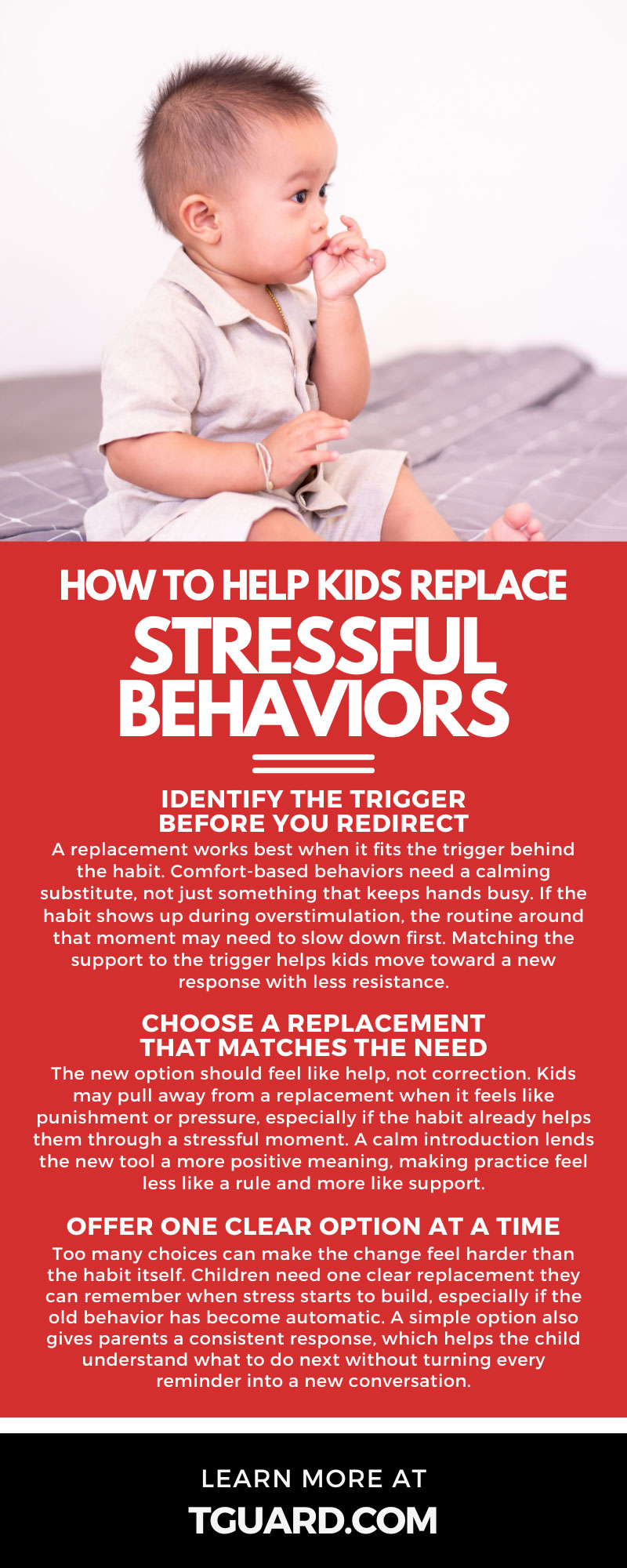
Stressful habits often follow a pattern. Thumb sucking may happen during bedtime because the routine signals rest, while nail biting may show up before school when the morning feels tense. Instead of focusing only on the behavior, the timing can reveal what kids need in that moment. That context makes the next step more useful.
A replacement works best when it fits the trigger behind the habit. Comfort-based behaviors need a calming substitute, not just something that keeps hands busy. If the habit shows up during overstimulation, the routine around that moment may need to slow down first. Matching the support to the trigger helps kids move toward a new response with less resistance.
Choose a Replacement That Matches the Need
A useful replacement gives kids a better way to get the same support they were seeking from the old habit. If thumb sucking helps them settle down at bedtime, the new option needs to feel comforting in that same routine so the change does not feel sudden or frustrating. When the replacement fits the reason behind the habit, kids have an easier time trusting it.
The new option should feel like help, not correction. Kids may pull away from a replacement when it feels like punishment or pressure, especially if the habit already helps them through a stressful moment. A calm introduction lends the new tool a more positive meaning, making practice feel less like a rule and more like support.
Offer One Clear Option at a Time
Too many choices can make the change feel harder than the habit itself. Children need one clear replacement they can remember when stress starts to build, especially if the old behavior has become automatic. A simple option also gives parents a consistent response, which helps the child understand what to do next without turning every reminder into a new conversation.
The best replacement should fit the moment, not just the behavior. For example, a bedtime habit may need something that supports settling down, while a school-related habit may need something that builds confidence before the day begins. Parents can introduce the new option before the stressful moment arrives, using one calm sentence that explains when to use it.
Some helpful replacement options may include the following:
- Holding a soft comfort item during quiet time
- Squeezing a stress ball during homework
- Taking slow breaths before bedtime
- Using a quiet fidget during focused tasks
- Asking for help with a short phrase
Practice During Calm Moments
You can also help kids replace stressful behaviors by practicing new coping skills in low-stress environments. Calm practice gives the child a better chance to understand what to do. Additionally, this allows children to build confidence in the new behavior before they need it during a more challenging moment.
When practice feels simple and familiar, the replacement becomes easier to use during stress. A child who has already tried the new coping skill during a calm part of the day will not have to figure it out while emotions feel bigger. That preparation gives the new behavior a better chance of becoming part of the routine.
Use Language That Guides Instead of Shames
The way parents talk about a stressful habit can affect how safe kids feel during the change. A frustrated comment may make the habit feel like something to hide, which can add more stress to an already difficult moment. Calm language works better because it keeps the focus on what the child can do next. Instead of making the habit the center of the conversation, the reminder can point gently toward the replacement.
Short reminders also help because kids often struggle to process long explanations when tension has already built. A simple phrase like “Try your calming tool” gives clear direction without turning the moment into a lecture. When parents use a steady tone, kids are more likely to feel supported instead of corrected. That sense of support can make the replacement feel easier to try again.
Praise Effort Without Expecting Perfection
Progress usually happens through repeated attempts, not one clean break from the old habit. Kids may use the replacement in one moment and return to the stressful behavior later, especially when the day feels harder than usual. That does not erase the effort they made. Noticing the attempt helps them feel capable of continuing to practice.
Praise works best when it points to the specific choice the child made. Instead of focusing on whether the habit stopped completely, parents can recognize the moment their child tried the replacement. A steady response also helps after setbacks, as old habits often return under stress or with changes in routine. When parents return to the same plan without frustration, kids learn that progress can continue after a hard day.
Know When Extra Support Makes Sense
Some behaviors need more attention when they start to affect a child’s health or daily life. Parents should seek guidance if the habit causes pain, affects teeth, disrupts sleep, or interferes with school. A child may also need support when the behavior increases during ongoing worry. Early guidance can help parents choose the right next step.
A pediatrician can help parents determine whether the behavior is related to a health concern. A pediatric dentist can give guidance when thumb or finger sucking affects the mouth. A child therapist can help when worry drives the behavior. Parents do not need to wait until the problem feels unmanageable before seeking help.
Use the Right Tools
If thumb or finger sucking has become a stressful behavior your child struggles to stop, TGuard offers a supportive option device to stop thumb suckingthat’s perfect for families who want help without shame or punishment. The AeroThumb and AeroFinger designs help reduce the suction sensation that keeps the habit going.
Helping a child replace a stressful behavior takes patience and steady guidance. Parents can start by understanding the need behind the habit, then choose a replacement that fits that need. The child may need repeated practice before the new behavior feels easy. Calm support helps the child build confidence while they move away from the old habit.
Products
-
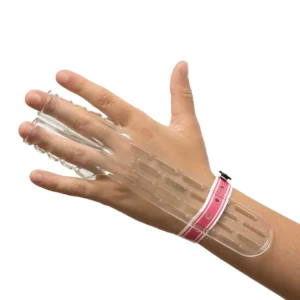 TGuard AeroFinger
Original price was: $69.80.$49.80Current price is: $49.80.
TGuard AeroFinger
Original price was: $69.80.$49.80Current price is: $49.80.
Save 29% -
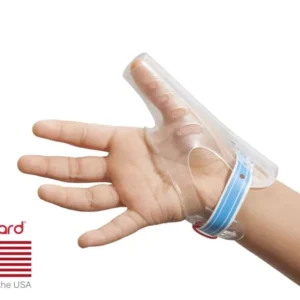 TGuard AeroThumb
Original price was: $69.80.$49.80Current price is: $49.80.
TGuard AeroThumb
Original price was: $69.80.$49.80Current price is: $49.80.
Save 29%


