

Frequent pacifier use or finger sucking may soothe a child, but it also trains their jaw, tongue, and lip muscles to move in specific ways. Over time, these patterns can influence how the mouth develops and create challenges with oral coordination and speech clarity. Often, the effects are subtle at first, only becoming noticeable as a child begins to speak more complex words and sentences. Read on to find out how pacifiers and finger sucking affect your child’s speech development.
Teeth Misalignment Changes Sound Production
Extended pacifier use and finger sucking alter the natural alignment of your child’s teeth and jaw structure. The constant pressure from sucking pushes the front teeth forward and can create an open bite, where the top and bottom teeth don’t meet properly. These dental changes make it difficult for your child to produce certain sounds correctly, particularly those requiring precise tongue-to-tooth contact.
Oral Muscle Development Slows Down
Pacifiers and finger sucking also affect your child’s speech development by altering the muscles in the jaw, tongue, and lips. These objects occupy the space where the tongue should naturally rest, forcing it into abnormal positions during crucial developmental periods. Over time, your child’s tongue and oral muscles adapt to these patterns, creating muscle memory for incorrect positioning.
This can make it harder for a child to move their mouth freely, form different shapes, and develop the fine oral motor skills needed for clear and coordinated speech. Prolonged sucking can also affect the shape and strength of the palate and jaw, potentially influencing facial structure and bite alignment. Even after the habit stops, these foundational changes can limit oral function and make retraining proper movement patterns necessary.
Sound Pronunciation Suffers Most
When the palate, jaw, and muscles do not form properly, word pronunciation suffers most. The sounds /t/, /d/, /s/, and /z/ require precise tongue-to-tooth or tongue-to-roof contact that becomes impossible with altered oral structures. Your child may substitute these sounds with others or omit them entirely, creating speech that’s difficult for others to understand.
Moreover, lisping becomes common as your child tries to compensate for the space created by dental changes. Reversing this on your own can be difficult and generally requires intervention with a speech therapist since it involves relearning proper tongue placement and muscle control.
Parent Tip
If speech problems go untreated for too long, your child may form incorrect speech patterns, which can be difficult to break later. Work with a professional as soon as you think there may be a speech problem.
Moving Forward With Awareness
Kicking a finger-sucking or pacifier habit isn’t easy for a child since both habits release feel-good hormones in the brain, which are addictive. Knowing how to break finger sucking comes down to using the right tools, such as T Guard’s Aerofinger. This glove will not restrict movement but will naturally deter thumb sucking. With awareness and early action, you can give your child the best chance to develop clear, confident communication skills.
Products
-
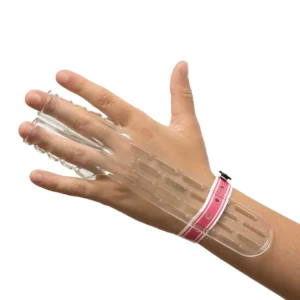 TGuard AeroFinger
Original price was: $69.80.$49.80Current price is: $49.80.
TGuard AeroFinger
Original price was: $69.80.$49.80Current price is: $49.80.
Save 29% -
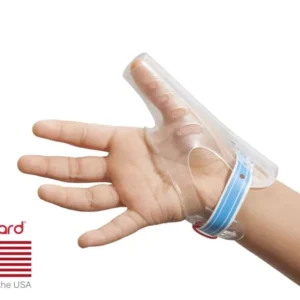 TGuard AeroThumb
Original price was: $69.80.$49.80Current price is: $49.80.
TGuard AeroThumb
Original price was: $69.80.$49.80Current price is: $49.80.
Save 29%

