

Parents are justifiably concerned about the potential harm that prolonged thumb sucking can do to their child’s physical and emotional development. While the habit is common, addressing nighttime sucking is often the hardest hurdle.
Read on to understand why children do it, the underlying health risks, and actionable ways to gently wean your child off thumb sucking during sleep.
Why Does Thumb Sucking Help Kids Fall Asleep?
Thumb sucking is often used as what sleep scientists call a setting event that helps prime the brain to prepare for sleep. The habit can be soothing and comforting for children, especially at bedtime. However, prolonged thumb sucking beyond the age of three or so, or when permanent teeth begin to come in, could lead to potential dental problems and concerns regarding social development. That’s why it’s crucial for parents to gently guide their children away from thumb sucking as a way to fall asleep.
5 Effective Strategies for Weaning Your Child off Thumb Sucking During Sleep
If your preschooler is still relying on their thumb to fall asleep, your primary goal is to transfer the sleep signal from their thumb to a healthier alternative. Here is how to do it:
Introduce a Health Setting Event
Replace the thumb-sucking habit with a safe, external comfort object, such as a stuffed animal or a favorite blanket. Reserve this specific item only for bedtime. This builds a strong, exclusive psychological connection between the object and sleep, creating a safe, mouth-free sleep aid.
Use a Certified Guard to Break the Sensation
When willpower alone isn’t enough, an external device can break the habit without causing stress or pain. A medical-grade guard alters the physical mechanics of the habit. For example, you can explore the stop finger sucking with AeroThumb features page to see how its ventilated design completely eliminates the suction sensation. Without that physical reward, children naturally stop the habit and easily transfer their comfort to a favorite stuffed animal.
Establish a Calming Bedtime Routine
Create a structured, soothing environment to lower your child’s anxiety before lights-out. A consistent routine—such as reading a book together, dimming the lights, or listening to calming music—signals to your child’s brain that it’s time to sleep, drastically reducing the psychological need for thumb sucking.
Utilize Praise and Positive Reinforcement
When you notice your child sleeping without sucking their thumb, offer enthusiastic praise and encouragement the very next morning. Positive reinforcement builds self-esteem and drastically increases the likelihood of your child repeating the desired behavior.
Be Patient and Consistent
Breaking an involuntary sleep habit takes time. Maintain a firm but gentle approach every single night to help your child adapt to their new sleep prompts gradually.
Thumb Sucking During Sleep: Frequently Asked Questions
How do I stop my child from sucking their thumb?
To stop nighttime thumb sucking, replace the habit with a mouth-safe comfort object (like a blanket), establish a relaxing bedtime routine to reduce anxiety, and use a non-invasive guard like TGuard AeroThumb to eliminate the satisfying suction sensation while they sleep.
Why do children suck their thumbs when falling asleep?
Sleep scientists refer to bedtime thumb sucking as a setting event. It is a self-soothing mechanism that relaxes the nervous system and signals to the child’s brain that it is time to transition into sleep.
Can thumb sucking at night ruin a child’s teeth?
Yes. Aggressive or prolonged thumb sucking past the age of 3 or 4 can alter the shape of the developing jaw, cause an open bite or overbite, and lead to speech impediments when permanent teeth begin to erupt.
Help Your Child Sleep Peacefully
Breaking a nighttime habit doesn’t have to mean sleepless nights for you or your child. Discover a gentle, dentist-approved solution that works passively while they rest. Explore the TGuard AeroThumb Features and Break the Habit Today
Products
-
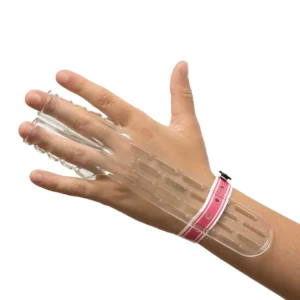 TGuard AeroFinger
Original price was: $69.80.$49.80Current price is: $49.80.
TGuard AeroFinger
Original price was: $69.80.$49.80Current price is: $49.80.
Save 29% -
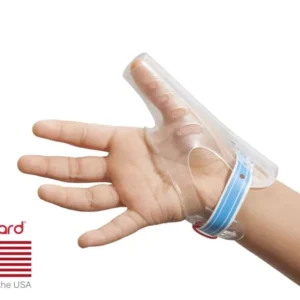 TGuard AeroThumb
Original price was: $69.80.$49.80Current price is: $49.80.
TGuard AeroThumb
Original price was: $69.80.$49.80Current price is: $49.80.
Save 29%

