

Most parents notice crooked teeth in their child, but few think about the roof of the mouth. The palate plays a direct role in breathing, speech development, dental alignment, and facial growth, which means changes to its shape can affect more than just a smile. When a child sucks their thumb repeatedly, that constant pressure reshapes soft, developing bone, causing the upper jaw to narrow and the roof of the mouth to rise higher than normal.
If parents ignore palate changes, the effects extend far beyond appearance. Early awareness of how changes in palate shape affect your child’s health allows families to protect proper growth before permanent changes take hold.
Narrowed Palate and Breathing Challenges
Thumb sucking applies inward pressure on the upper arch. Over time, that pressure can narrow the palate and reduce the width of the nasal cavity because the palate forms the floor of the nose.
When the airway narrows, children often shift from nasal breathing to mouth breathing. This is concerning because mouth breathing can have many health effects, which include the following:
- Disrupted sleep and snoring
- Dried out oral tissues
- Reduced oxygen saturation at night.
Moreover, poor sleep affects attention span, mood regulation, and daytime learning performance.
Parent Tip
Many parents interrupt this progression by having their child’s dentist monitor palatal width and advise on next steps before airway issues worsen.
Speech Development and Tongue Function
Palate shape changes also affect your child’s health because they can alter the way the tongue lies and moves in the mouth when talking. More specifically, a high or narrow palate changes the surface the tongue needs for clear articulation.
When tongue placement shifts, children may struggle with sounds like “s,” “t,” “d,” and “n.” Speech patterns can become ingrained if families overlook early articulation challenges. Over time, unclear speech may affect classroom participation and social confidence.
Parents who act early strengthen their child’s communication by stopping prolonged thumb sucking and allowing the palate to support proper tongue posture. When the tongue rests and moves correctly, speech sounds form more naturally and clearly. If there are existing speech concerns, a pediatric dentist and a speech-language pathologist can collaborate to correct tongue placement and improve articulation more effectively.
Dental Alignment and Bite Problems
Continuous suction pulls the upper teeth forward and changes how the jaws meet, while repeated pressure gradually narrows the palate as the upper arch adapts. As a result, children may develop an open bite, crossbite, or pronounced overbite that affects more than appearance.
Bite misalignment can interfere with chewing, increase the risk of cavities due to crowding, and place strain on the jaw joints. If parents ignore these changes, correction often requires more extensive orthodontic treatment later.
Why Early Action Protects Your Child’s Health
Acting early and helping your child end their habit protects breathing, speech clarity, dental alignment, and facial balance. While there are many products to end thumb and finger sucking, a thumb sucking glove generally works best because it’s non-invasive.
By removing the suction that reinforces the habit, you allow the palate and upper jaw to develop without continued pressure. Small steps now can prevent larger health challenges later and support confident, healthy development.
Products
-
 TGuard AeroFinger
Original price was: $69.80.$49.80Current price is: $49.80.
TGuard AeroFinger
Original price was: $69.80.$49.80Current price is: $49.80.
Save 29% -
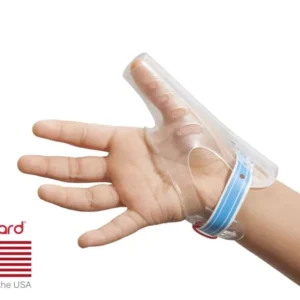 TGuard AeroThumb
Original price was: $69.80.$49.80Current price is: $49.80.
TGuard AeroThumb
Original price was: $69.80.$49.80Current price is: $49.80.
Save 29%