
Children experience stress just like adults do, but they may express their feelings of stress and anxiety in different ways. That’s because emotions can feel particularly intense when you’re little, and kids lack the life experience and coping mechanisms of adults. Thumb sucking is one of the most common ways younger children relieve stress, namely because the physical sensation provides them comfort.
However, it’s best to discourage your child from thumb sucking by the age of four to reduce the risk of dental and health issues. To help your child stop thumb sucking, it may be in your best interest to identify your child’s potential stressors.
The 3 Most Common Stressors for Young Children
Overbooked Schedules and Academic Pressure
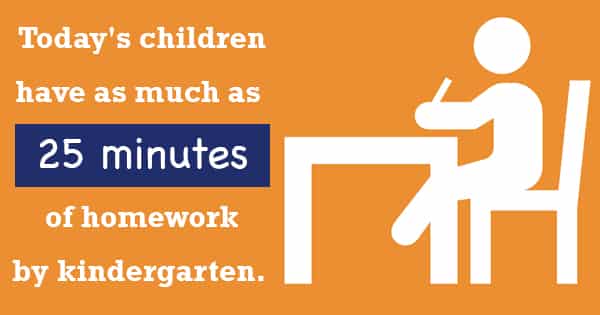
Childhood has become busier than ever. Today’s children have as much as 25 minutes of homework by kindergarten. By third grade, many kids are saddled with schoolwork that’s three times the recommended amount set by the National Education Association.
When you stack a full day of school work on top of after-school activities, a child’s calendar can resemble a frantic calendar, rushing from event to event. Without sufficient downtime, children accumulate excessive stress with no time to process their emotions or relax.
Bottled-Up Energy and No Physical Outlet
Children are built to move, shake, and run, but modern lifestyles are increasingly sedentary. While many schools reduce physical education classes and shorter recess periods, kids also spend more time sitting at home watching television and scrolling through tablets.
When a child spends hours sitting still, their natural energy has nowhere to go, leading to increased restlessness and anxiety. During bedtime, this manifests as an inability to relax and may prompt the child to suck their thumb to calm down.
Second-Hand Stress From Increased Media Consumption
Your child is able to pick up on more messages from the media than you may believe. Even if they aren’t actively watching the news, children overhear broadcasts, television shows, and other imagery that can disturb their sense of safety.
Children can also pick up stress from the adults around them as they notice the tension, rushed tones, or anxiety of loved ones. As a child detects more stress, they may turn to thumb sucking as an outlet for anxiety.
Thumb Sucking and Anxiety: Frequently Asked Questions
Why does anxiety cause thumb sucking in children?
Thumb sucking is an involuntary regression to an infantile reflex. The physical motion triggers the release of calming hormones, offering a predictable, immediate sense of security when a child feels overwhelmed, anxious, or unable to verbally express their stress.
How do I know if my child’s thumb sucking is caused by stress?
Look for situational triggers. If your child increases their thumb sucking specifically during transitions (like starting a new school year), after a hectic day, while watching intense media, or during periods of family change, the habit is likely an anxiety-based coping mechanism.
What is a safe physical remedy for anxiety-driven thumb sucking?
A certified, non-invasive device like a medical-grade thumb guard is highly recommended. It breaks the physical habit passively without introducing more emotional stress or shame to an already anxious child.
Break the Anxiety-Sucking Cycle Comfortably
Addressing the root cause of stress takes time, but you can protect your child’s dental health in the meantime. A gentle, physical barrier like the TGuard AeroThumb allows your child to break the physical loop safely and painlessly. Its ventilated design gently removes the soothing suction sensation, prompting them to lean on healthier, non-oral emotional outlets instead.
Products
-
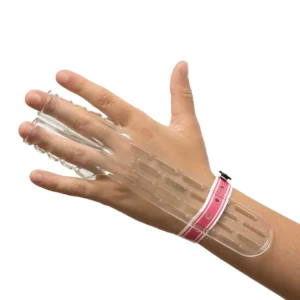 TGuard AeroFinger
Original price was: $69.80.$49.80Current price is: $49.80.
TGuard AeroFinger
Original price was: $69.80.$49.80Current price is: $49.80.
Save 29% -
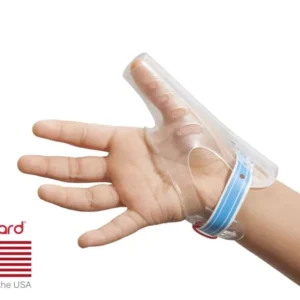 TGuard AeroThumb
Original price was: $69.80.$49.80Current price is: $49.80.
TGuard AeroThumb
Original price was: $69.80.$49.80Current price is: $49.80.
Save 29%